Common Basement Waterproofing Myths Debunked
Many homeowners are misled by common myths surrounding basement waterproofing, which can lead to inadequate solutions. Understanding these misconceptions is crucial for making informed decisions regarding basement care and protection.
For instance, one prevalent myth is that waterproofing is only necessary for homes with visible water damage. In reality, proactive waterproofing can prevent future issues and save homeowners from costly repairs. Educating yourself about these myths can empower you to take the right steps in safeguarding your basement.
Signs Your Basement Needs Waterproofing
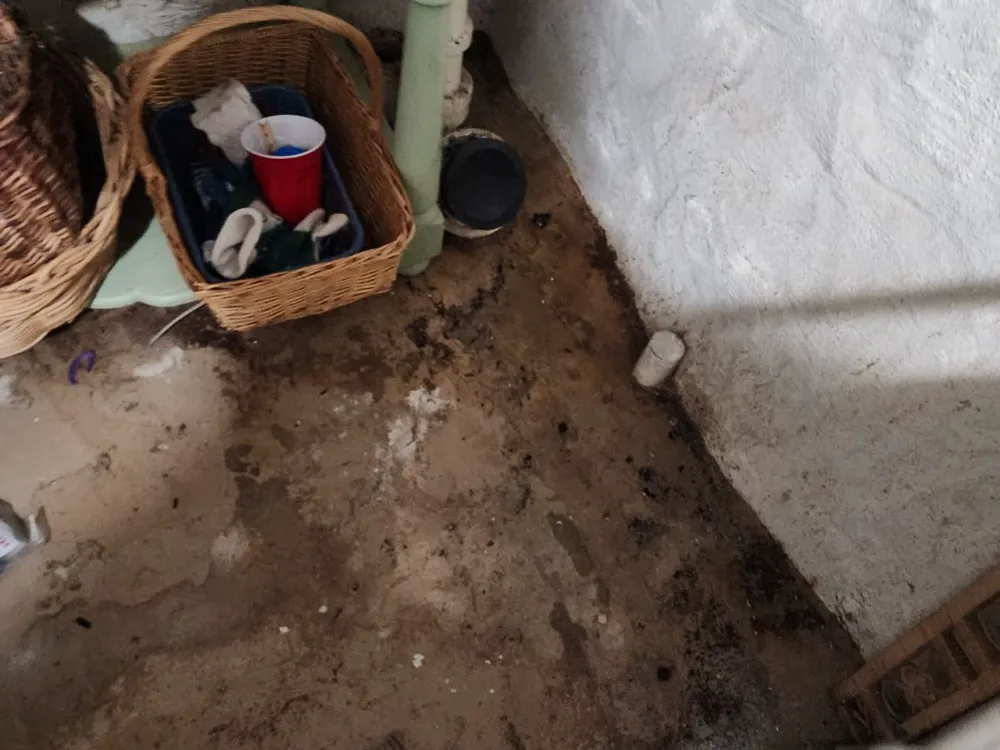
Identifying the early signs of water intrusion in your basement is essential for preventing extensive damage. Homeowners should be vigilant for indicators such as damp walls, musty odors, and visible mold growth.
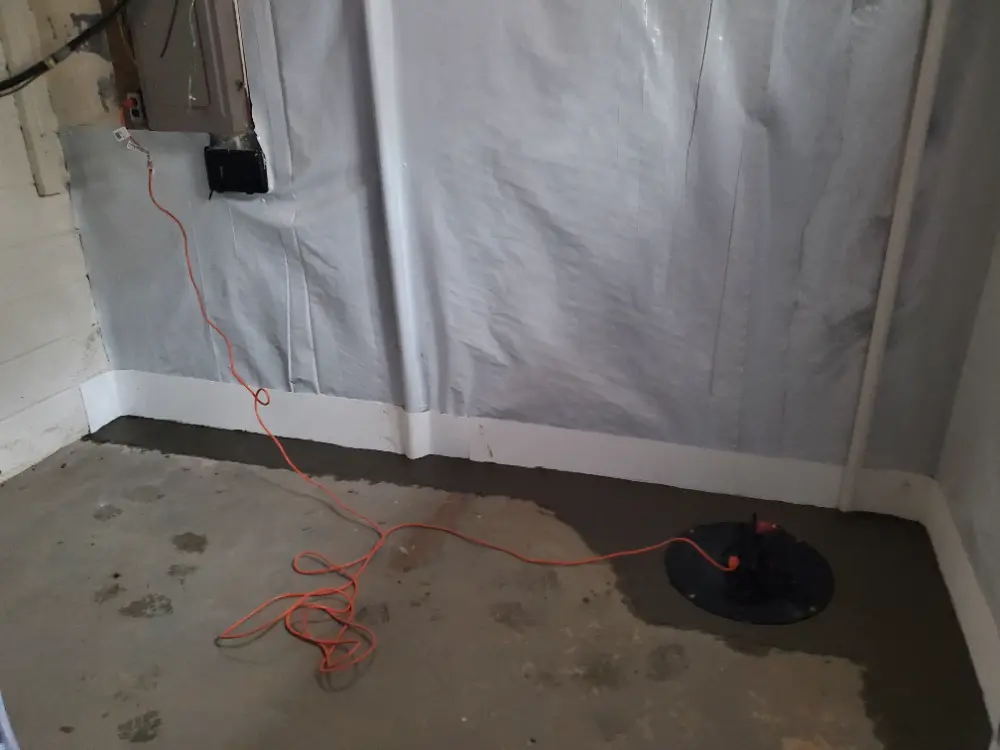
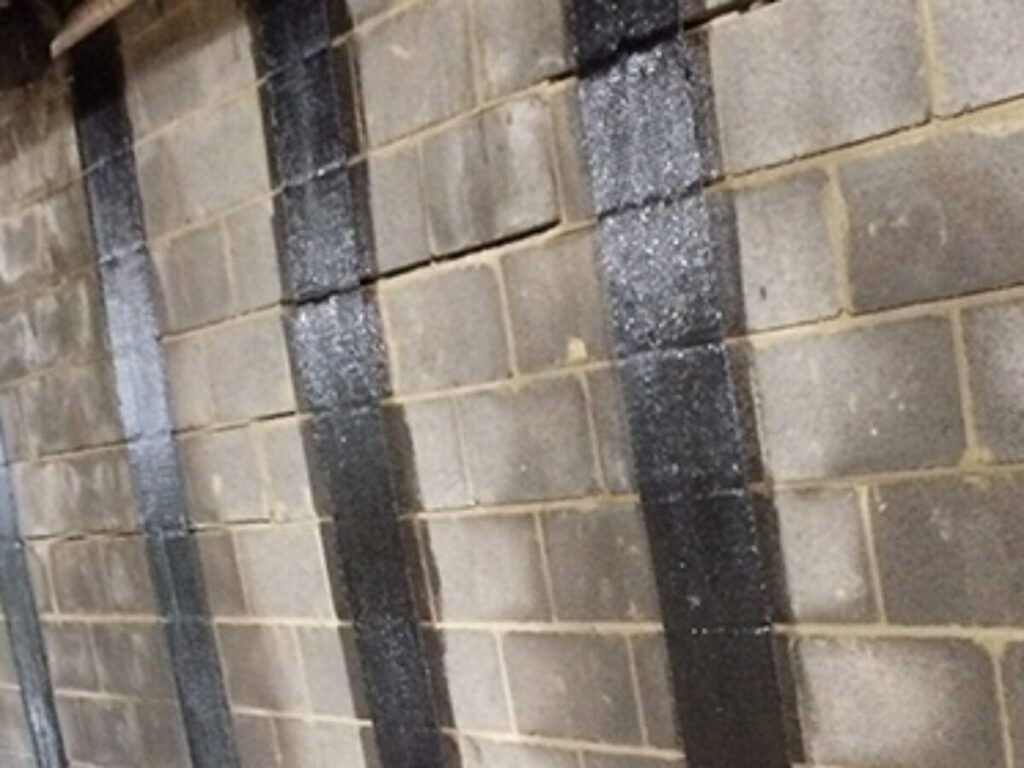
Additionally, pooling water in window wells or cracks in the foundation are clear signs that your basement may require waterproofing solutions. Addressing these issues promptly can help mitigate potential structural damage and health risks associated with mold and mildew.
Choosing the Right Waterproofing Method for Your Home
With various waterproofing methods available, selecting the most suitable one for your home can be daunting. Factors such as the type of foundation, local climate, and specific water issues should guide your decision.
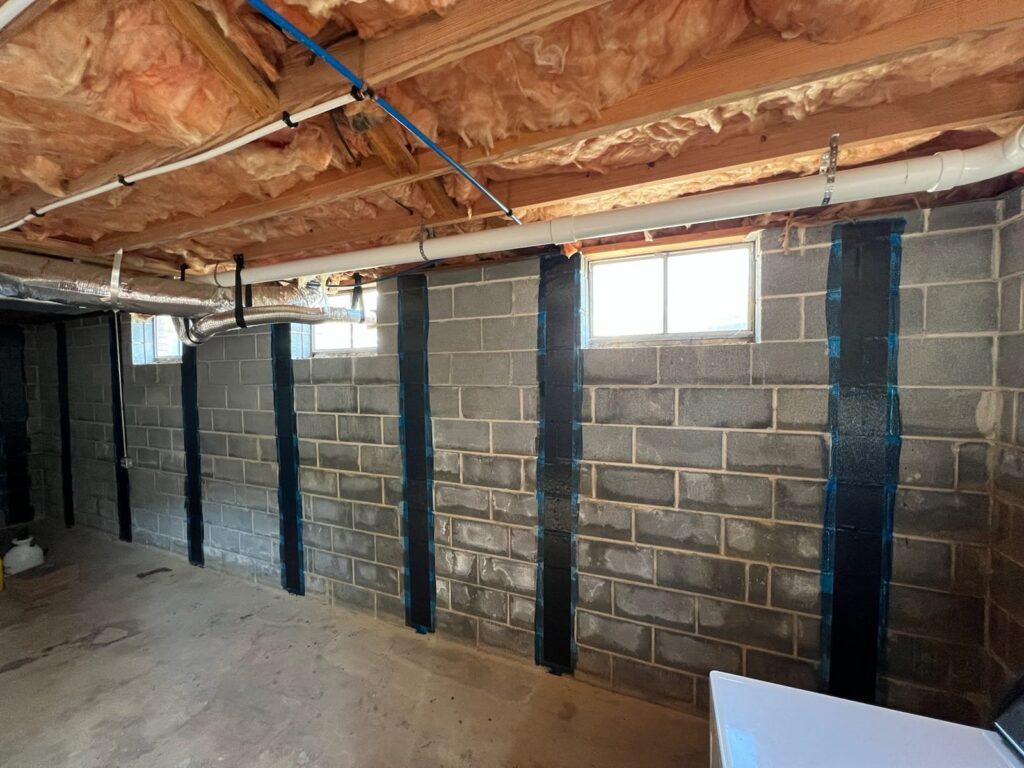
For example, interior drainage systems are effective for homes prone to flooding, while exterior solutions may be more appropriate for properties with grading issues. Consulting with a professional can provide tailored recommendations that align with your unique circumstances.
Maintenance Tips for a Dry Basement
Once your basement is waterproofed, ongoing maintenance is vital to ensure its effectiveness. Regular inspections and simple upkeep tasks can help maintain a dry environment and prolong the lifespan of your waterproofing system.
For instance, checking gutters and downspouts for clogs, ensuring proper landscaping drainage, and monitoring humidity levels can prevent water intrusion. Implementing these maintenance tips can enhance your basement's resilience against moisture and water damage.