Understanding Basement Waterproofing Techniques
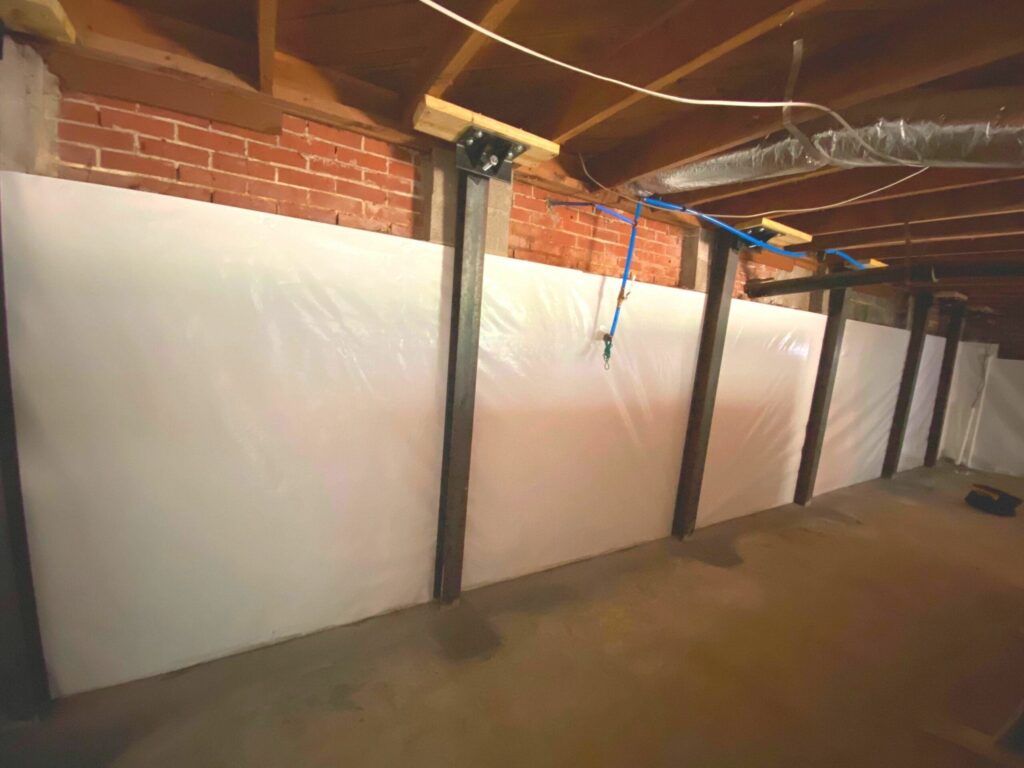
Basement waterproofing is crucial for preventing water damage and maintaining a dry, healthy home environment. Various techniques are employed, including exterior waterproofing, interior drainage systems, and sump pumps, each designed to address specific water intrusion issues.
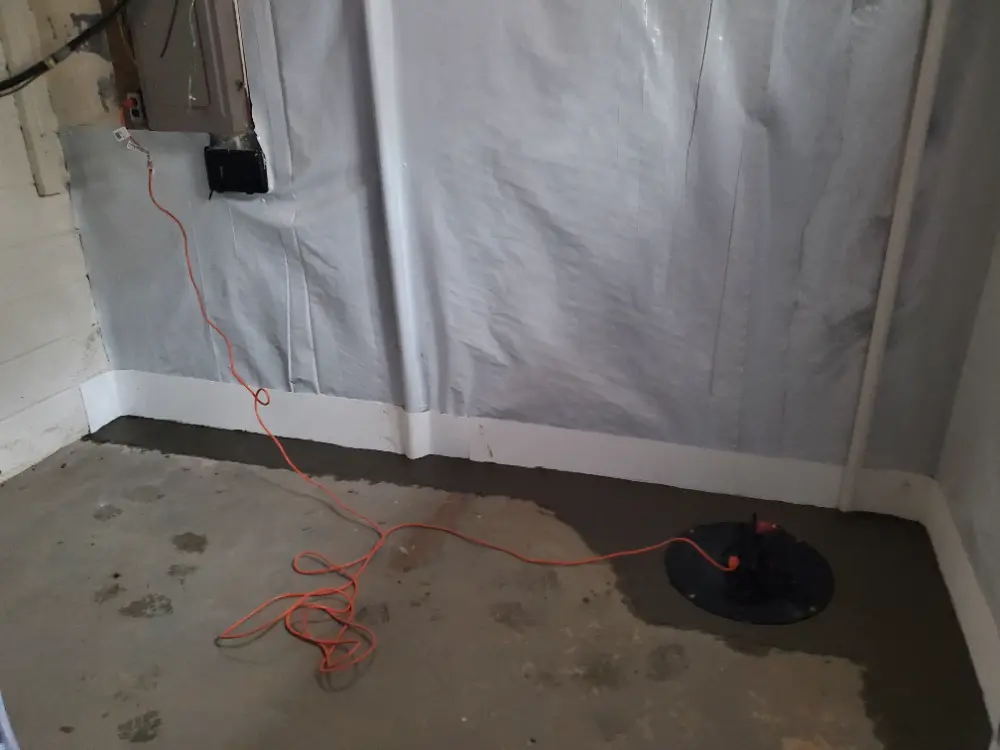
For example, exterior waterproofing involves excavating around the foundation and applying a waterproof membrane, while interior drainage systems manage water that seeps in by directing it to a sump pump. Understanding these methods helps homeowners choose the best solution for their unique circumstances.
Benefits of Crawlspace Encapsulation
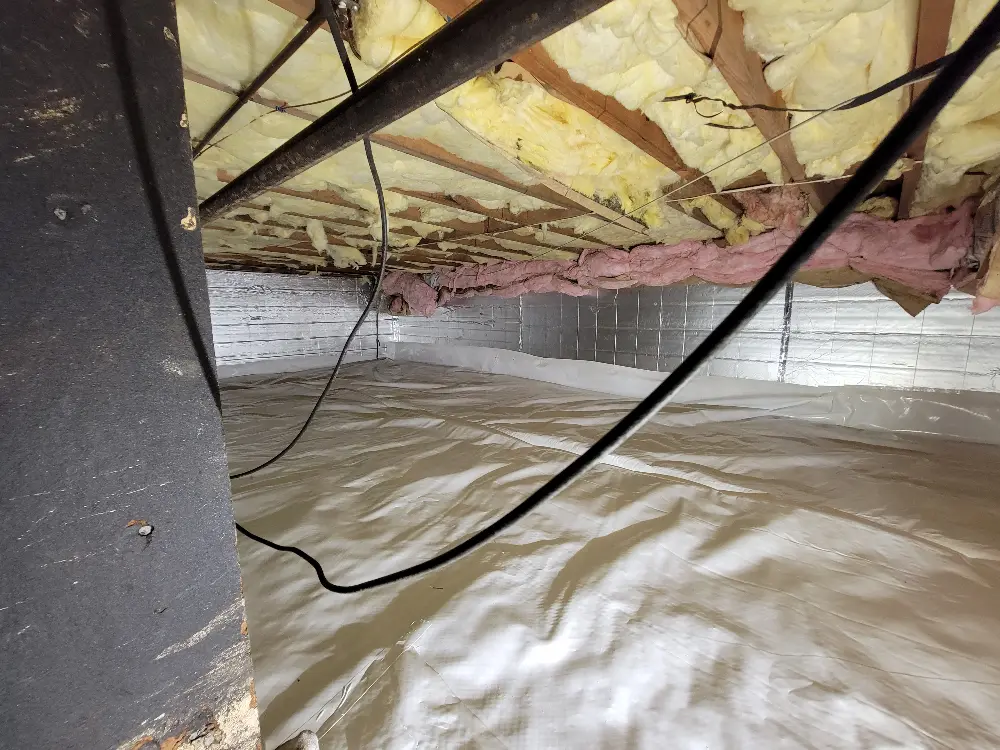
Crawlspace encapsulation is an effective method to protect homes from moisture and improve indoor air quality. By sealing the crawlspace with a vapor barrier and insulating it, homeowners can prevent mold growth and pest infestations, leading to a healthier living environment.
Additionally, encapsulated crawlspaces can enhance energy efficiency by reducing heating and cooling costs. Many homeowners report noticeable improvements in air quality and comfort levels after encapsulation, making it a worthwhile investment for maintaining a home.
Common Basement Waterproofing Myths
There are several myths surrounding basement waterproofing that can mislead homeowners. One common misconception is that simply applying sealants to walls will solve all water issues, while in reality, it often requires a comprehensive approach to effectively manage water intrusion.
Another myth is that basement waterproofing is only necessary in areas prone to flooding. In fact, even homes in low-risk areas can experience water damage due to poor drainage or plumbing issues. Educating homeowners about these myths can help them make informed decisions about their waterproofing needs.
Signs Your Basement Needs Waterproofing
Recognizing the signs that your basement needs waterproofing is essential to preventing costly damage. Common indicators include water stains on walls, musty odors, and visible mold growth, which suggest moisture problems that require immediate attention.
Additionally, homeowners should be aware of more subtle signs, such as increased humidity levels or condensation on windows. Regular inspections and awareness of these symptoms can help maintain a dry and healthy basement environment.