Understanding Basement Waterproofing Techniques
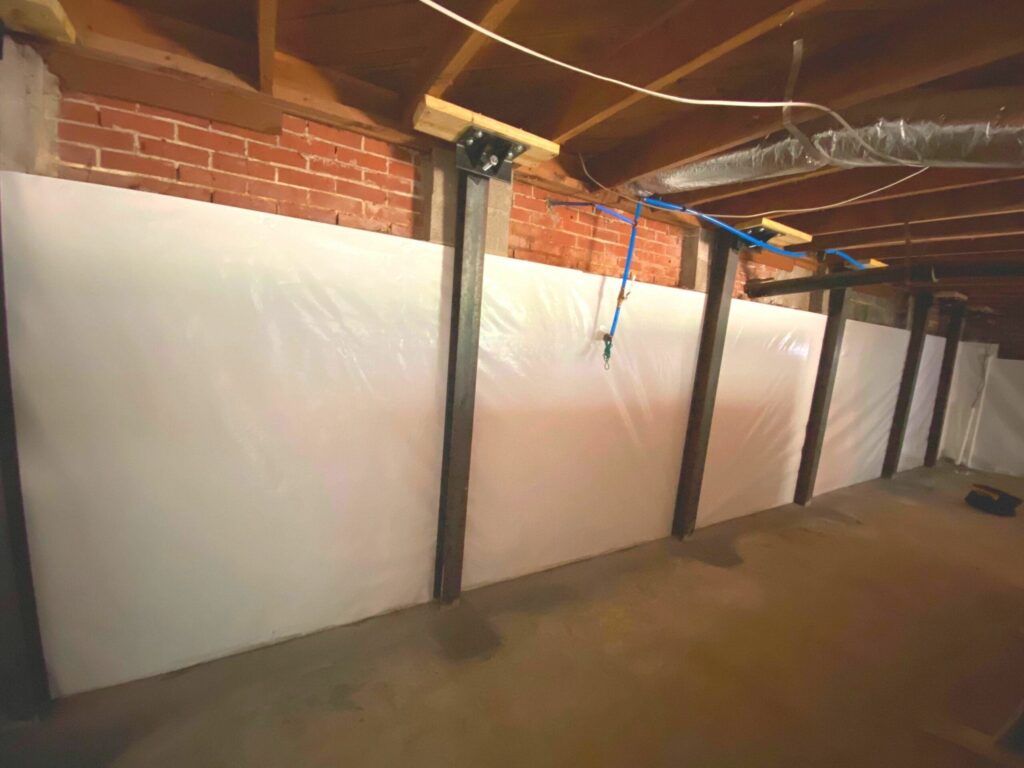
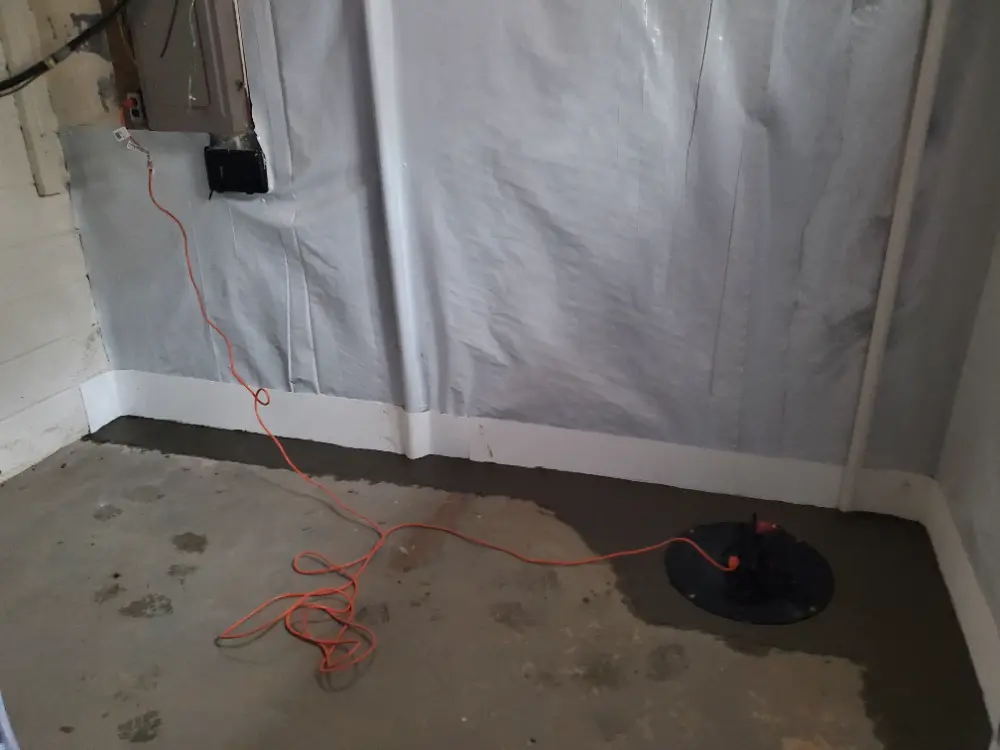
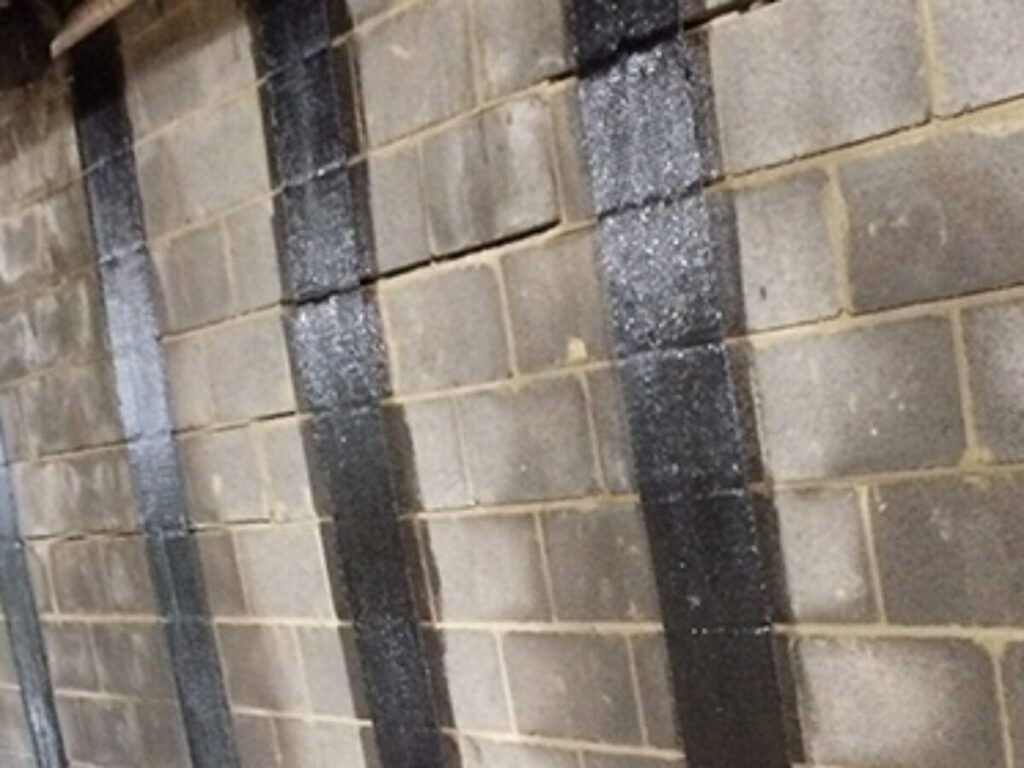
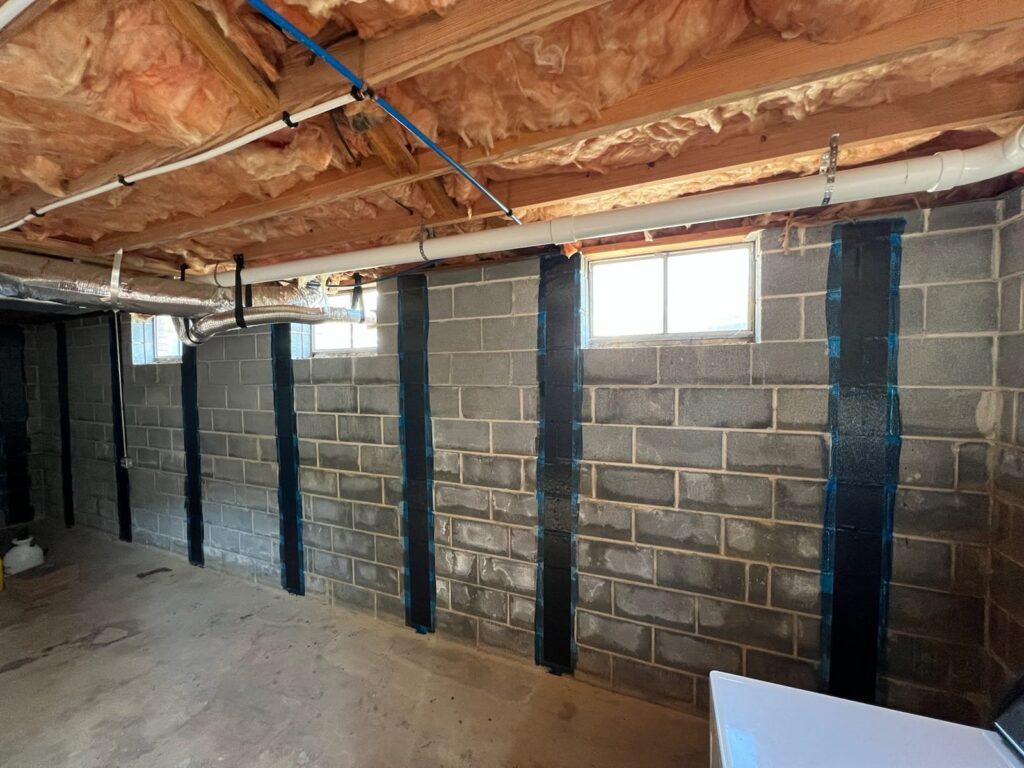
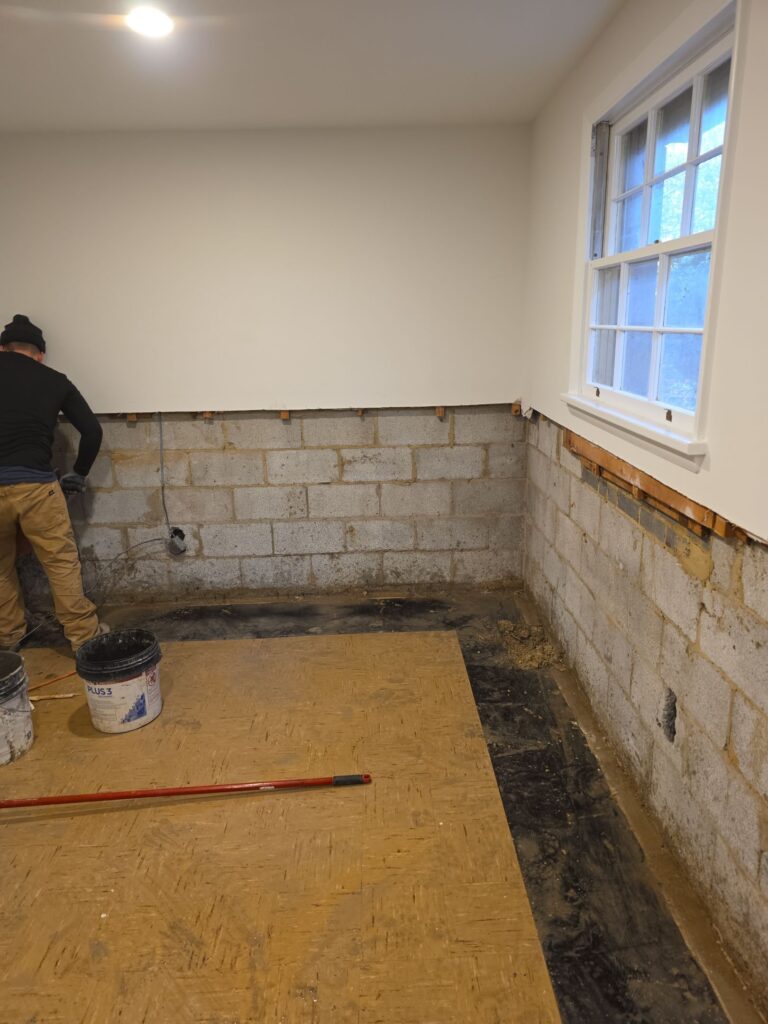
Basement waterproofing encompasses a variety of techniques designed to prevent water intrusion and protect your home’s foundation. Common methods include exterior waterproofing, interior drainage systems, and sump pump installation. Each technique addresses specific issues related to moisture and water management, ensuring homeowners can choose the best solution for their unique circumstances.
For instance, exterior waterproofing involves excavating around the foundation and applying a waterproof membrane, while interior solutions often focus on redirecting water away from the basement through drainage systems. Understanding these techniques helps homeowners make informed decisions about their waterproofing needs and enhances the longevity of their basements.
Signs Your Basement Needs Waterproofing
Recognizing the signs that your basement requires waterproofing is crucial for maintaining a healthy home environment. Common indicators include damp walls, musty odors, and visible mold growth. Homeowners should also be vigilant for water stains on walls or floors, which can signal ongoing moisture problems that need immediate attention.
Additionally, seasonal changes can exacerbate these issues. For example, heavy rain or melting snow can lead to increased water pressure against the foundation, making it essential to address any symptoms promptly. By being proactive, homeowners can prevent more significant damage and costly repairs in the future.
Benefits of Crawlspace Encapsulation
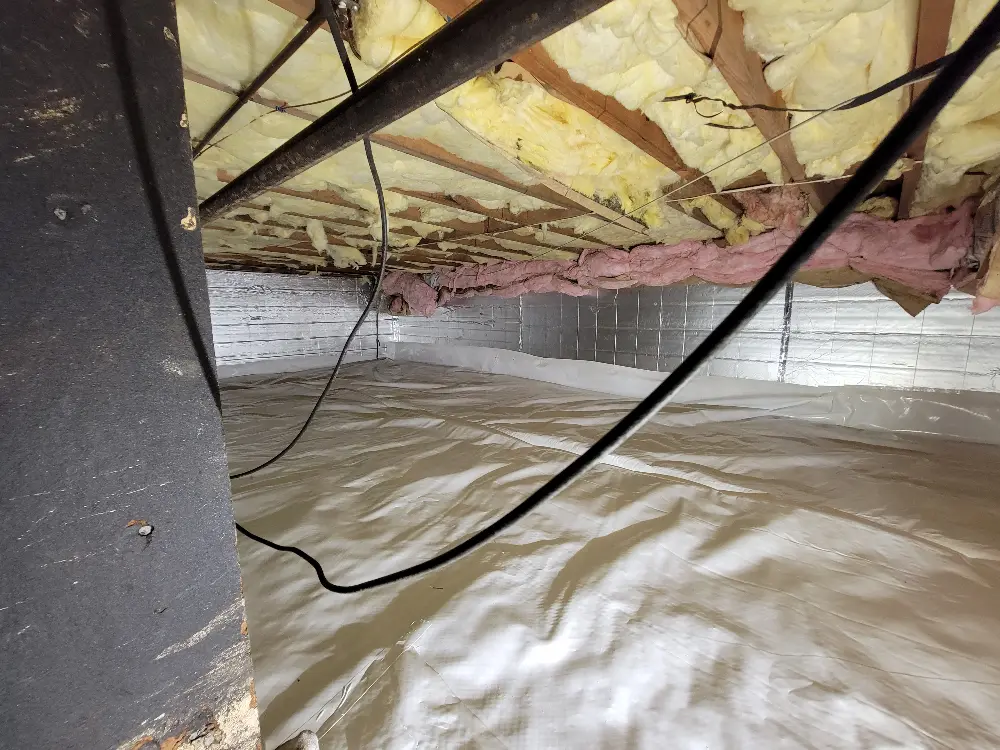
Crawlspace encapsulation offers numerous benefits, including improved air quality and reduced energy bills. By sealing off the crawlspace from outside moisture and contaminants, homeowners can create a healthier living environment. This process also helps in regulating temperature, which can lead to lower heating and cooling costs.
Moreover, encapsulation can prevent pest infestations and reduce the risk of structural damage caused by mold and rot. Homeowners who invest in crawlspace encapsulation often find that it enhances the overall value of their property while providing long-term savings and peace of mind.
Maintenance Tips for a Dry Basement
Regular maintenance is key to ensuring a dry basement and preventing water damage. Homeowners should routinely check for cracks in the foundation, inspect gutters and downspouts for proper drainage, and ensure that landscaping directs water away from the home. These proactive measures can significantly reduce the risk of moisture problems.
Additionally, it is advisable to monitor humidity levels in the basement and utilize dehumidifiers if necessary. Keeping the area well-ventilated and free from clutter can also contribute to a drier environment, making it easier to maintain the integrity of the basement and protect the home from potential water-related issues.