To provide the best experiences, we use technologies like cookies to store and/or access device information. Consenting to these technologies will allow us to process data such as browsing behavior or unique IDs on this site. Not consenting or withdrawing consent, may adversely affect certain features and functions.
Functional
Always active
The technical storage or access is strictly necessary for the legitimate purpose of enabling the use of a specific service explicitly requested by the subscriber or user, or for the sole purpose of carrying out the transmission of a communication over an electronic communications network.
Preferences
The technical storage or access is necessary for the legitimate purpose of storing preferences that are not requested by the subscriber or user.
Statistics
The technical storage or access that is used exclusively for statistical purposes.The technical storage or access that is used exclusively for anonymous statistical purposes. Without a subpoena, voluntary compliance on the part of your Internet Service Provider, or additional records from a third party, information stored or retrieved for this purpose alone cannot usually be used to identify you.
Marketing
The technical storage or access is required to create user profiles to send advertising, or to track the user on a website or across several websites for similar marketing purposes.
Basement waterproofing is essential for preventing water damage and maintaining a safe living environment. Homeowners should be aware of various techniques, including exterior excavation, interior drainage systems, and sealants, each tailored to specific water issues.
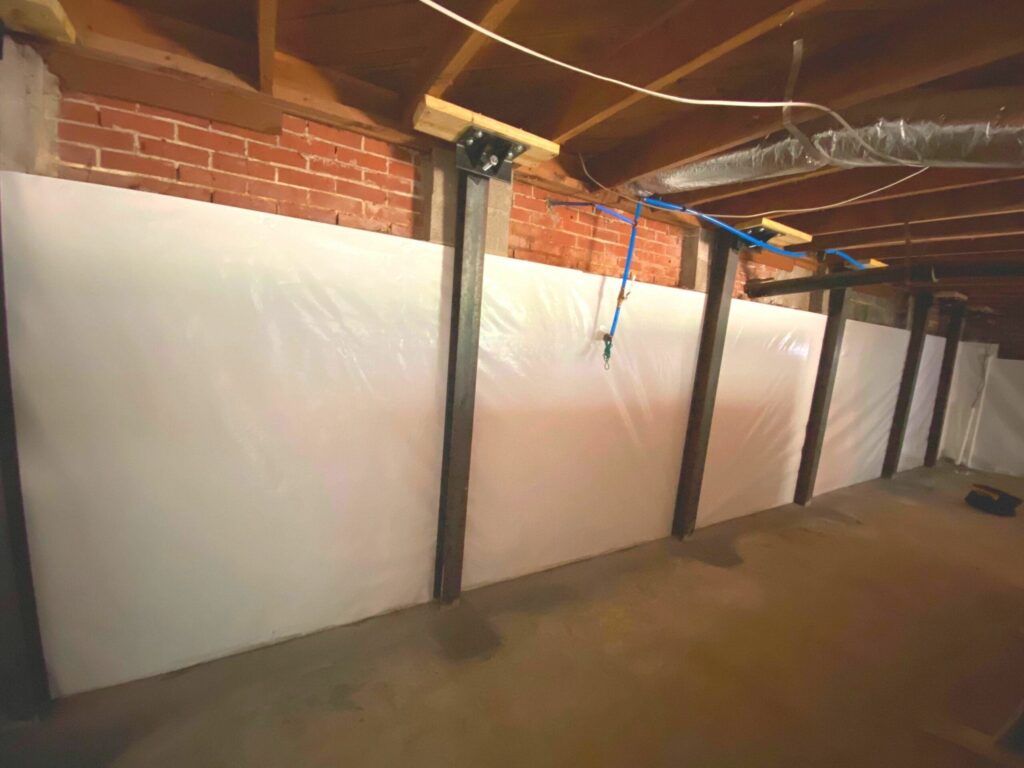
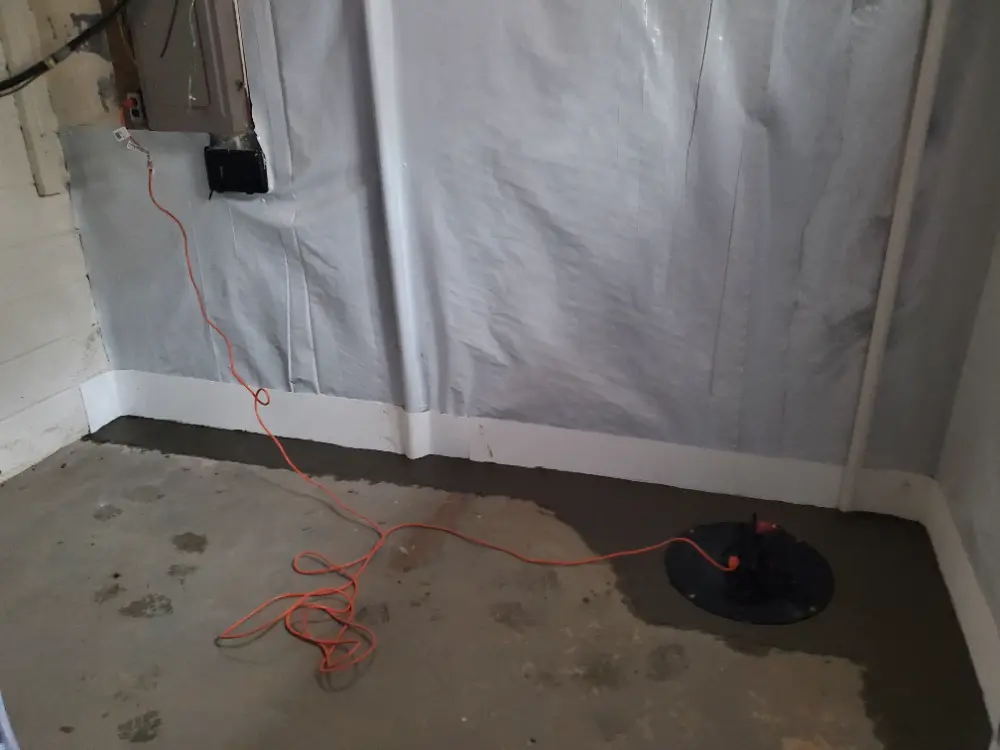
For instance, exterior excavation involves digging around the foundation to apply waterproof membranes, while interior drainage systems work by redirecting water away from the basement. Understanding these methods helps homeowners choose the best solution for their property needs.
Signs Your Basement Needs Waterproofing
Recognizing the signs that your basement requires waterproofing is crucial for preventing extensive damage. Common indicators include visible mold growth, musty odors, and water stains on walls or floors, which signal moisture intrusion.
Additionally, if you notice peeling paint or rust on metal fixtures, these may also indicate water problems. Addressing these signs promptly can save homeowners from costly repairs and ensure a healthier indoor environment.
The Benefits of Crawlspace Encapsulation
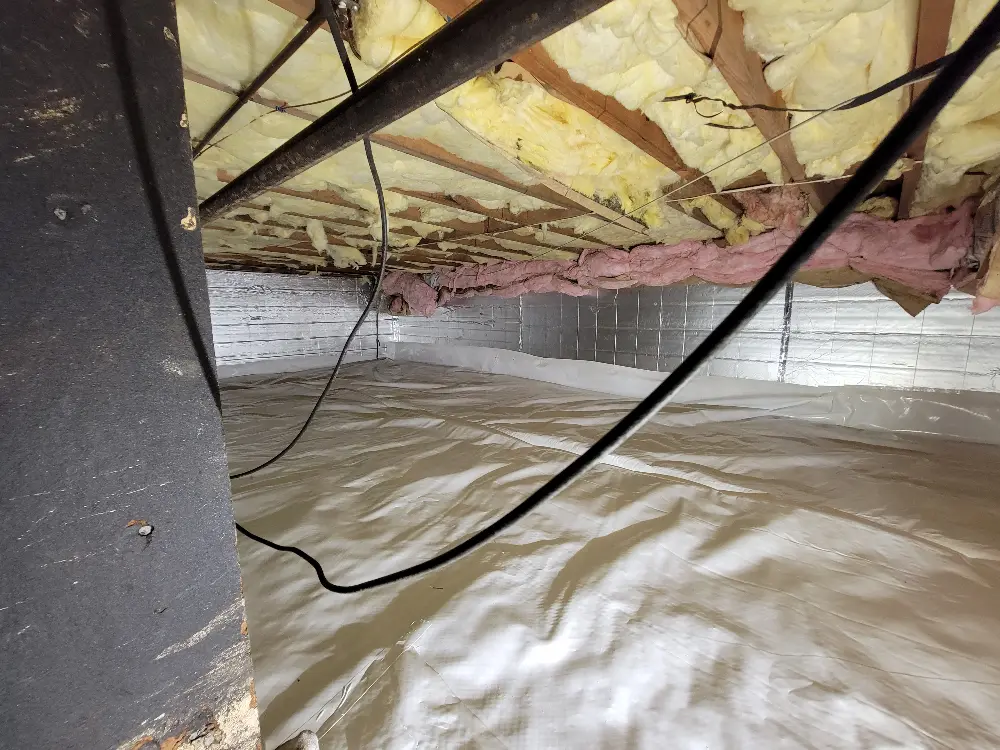
Crawlspace encapsulation offers numerous advantages, including improved indoor air quality and energy efficiency. By sealing the crawlspace, homeowners can prevent moisture buildup, which in turn reduces the risk of mold and pest infestations.
Moreover, encapsulated crawlspaces can lead to lower utility bills, as they help maintain consistent temperatures and reduce the workload on heating and cooling systems. This investment not only protects the home but also enhances overall comfort.
Choosing the Right Waterproofing Contractor
Selecting a qualified waterproofing contractor is vital for ensuring effective solutions. Homeowners should look for contractors with a proven track record, proper licensing, and positive customer reviews to guarantee quality service.
It's also beneficial to ask for detailed estimates and to inquire about the materials and techniques they use. A reputable contractor will provide transparency and educate homeowners on the best practices for maintaining a dry and safe basement.