Stay up to date with the latest news from our specialists
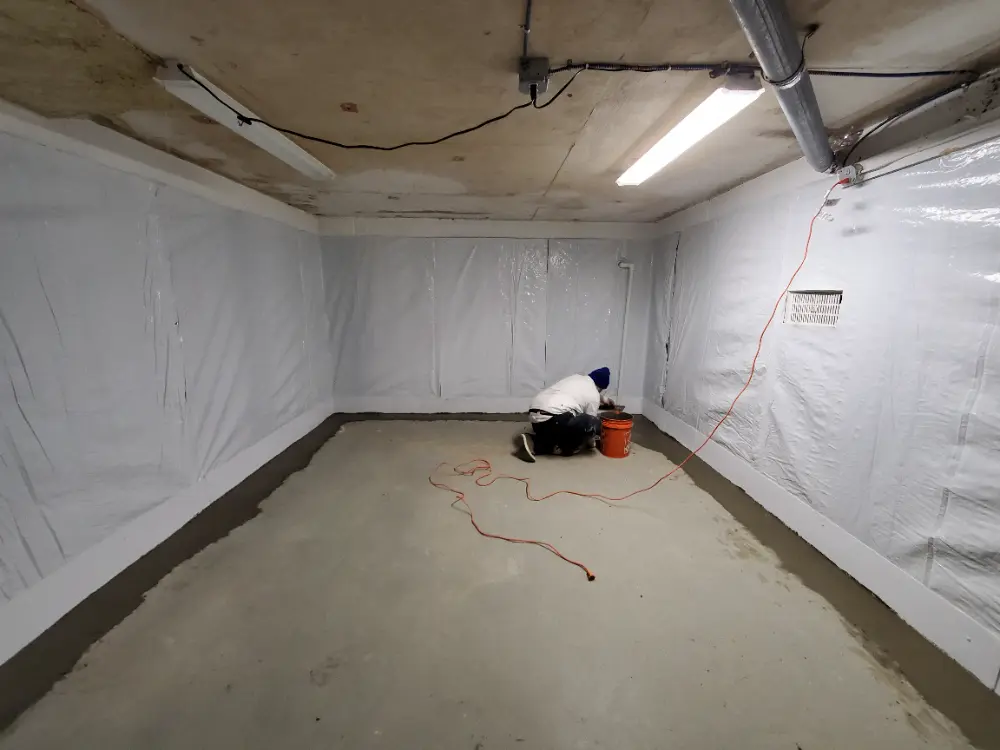
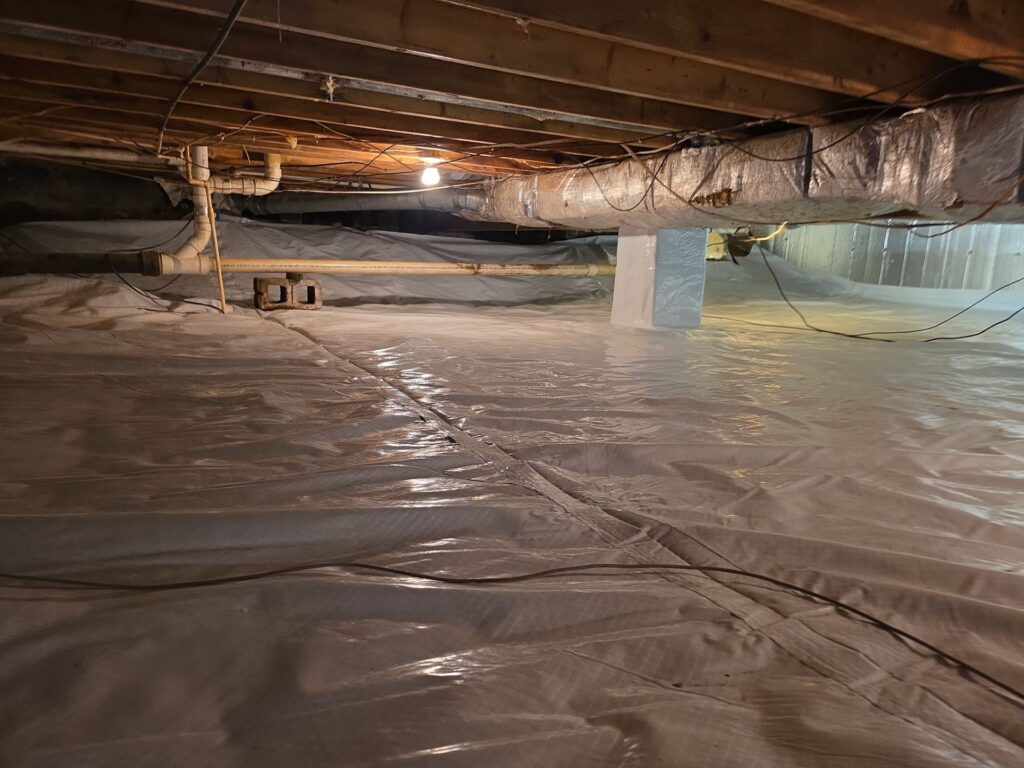
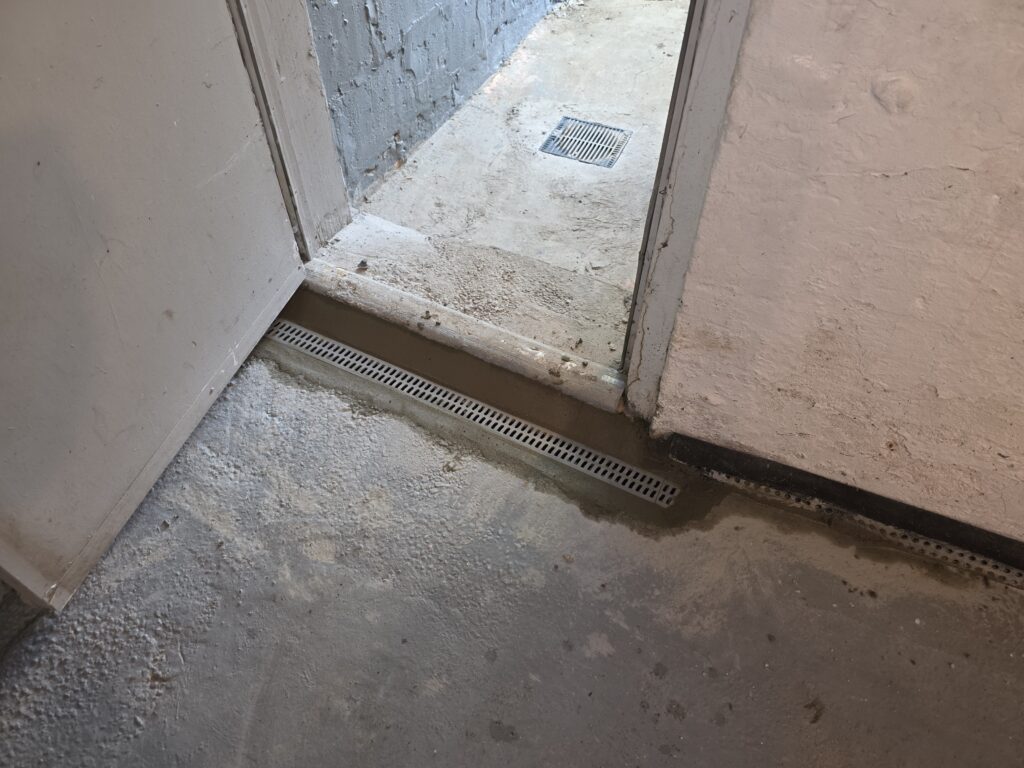
Many homeowners hold misconceptions about basement waterproofing that can lead to poor decision-making. For instance, some believe that a simple coat of paint can effectively prevent water intrusion, while others think that waterproofing is only necessary in areas prone to heavy rainfall.
In reality, effective waterproofing requires a comprehensive approach, including proper drainage systems, sump pumps, and sealing techniques. Understanding these myths can help homeowners make informed choices and invest in solutions that genuinely protect their basements.
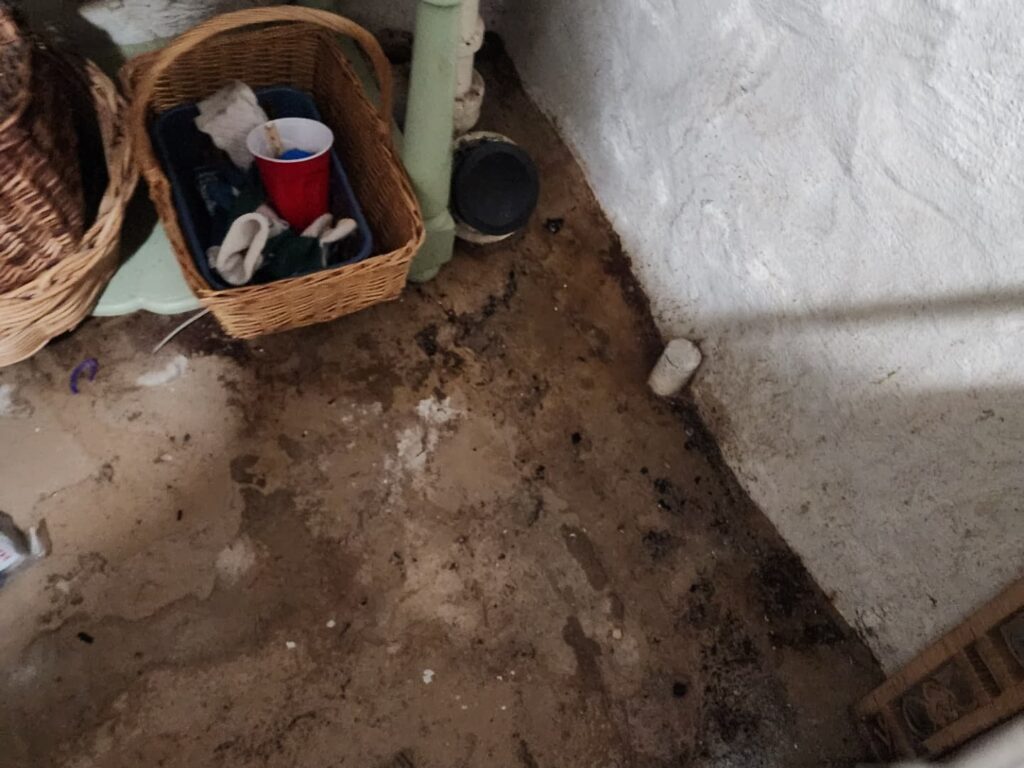
Recognizing the signs that your basement requires waterproofing is crucial for preventing long-term damage. Common indicators include dampness on walls, musty odors, and visible mold growth. Homeowners should also be aware of water stains or peeling paint, which can signal ongoing moisture problems.
Addressing these issues promptly can save homeowners significant repair costs and preserve the integrity of their property. Regular inspections and maintenance can help identify these signs early, ensuring that effective waterproofing measures are implemented in a timely manner.
When it comes to selecting a waterproofing method, homeowners have several options, including interior and exterior systems. Each method has its advantages and is suited for different types of moisture problems. Interior drainage systems are often less invasive and can be installed quickly, while exterior waterproofing provides a more comprehensive solution by addressing the source of water intrusion.
Consulting with a waterproofing expert can help homeowners determine the most effective approach based on their specific needs and the unique characteristics of their property. This tailored solution can maximize the effectiveness of the waterproofing efforts.
Investing in basement waterproofing offers numerous long-term benefits beyond just preventing water damage. A dry basement can enhance the overall comfort of a home, improve indoor air quality, and even increase property value. Homeowners can also enjoy peace of mind knowing their investment is protected from potential water-related issues.
Additionally, waterproofing can lead to energy savings by preventing moisture-related problems that can cause heating and cooling inefficiencies. By addressing these concerns proactively, homeowners can enjoy a safer, more efficient living environment.