Stay up to date with the latest news from our specialists
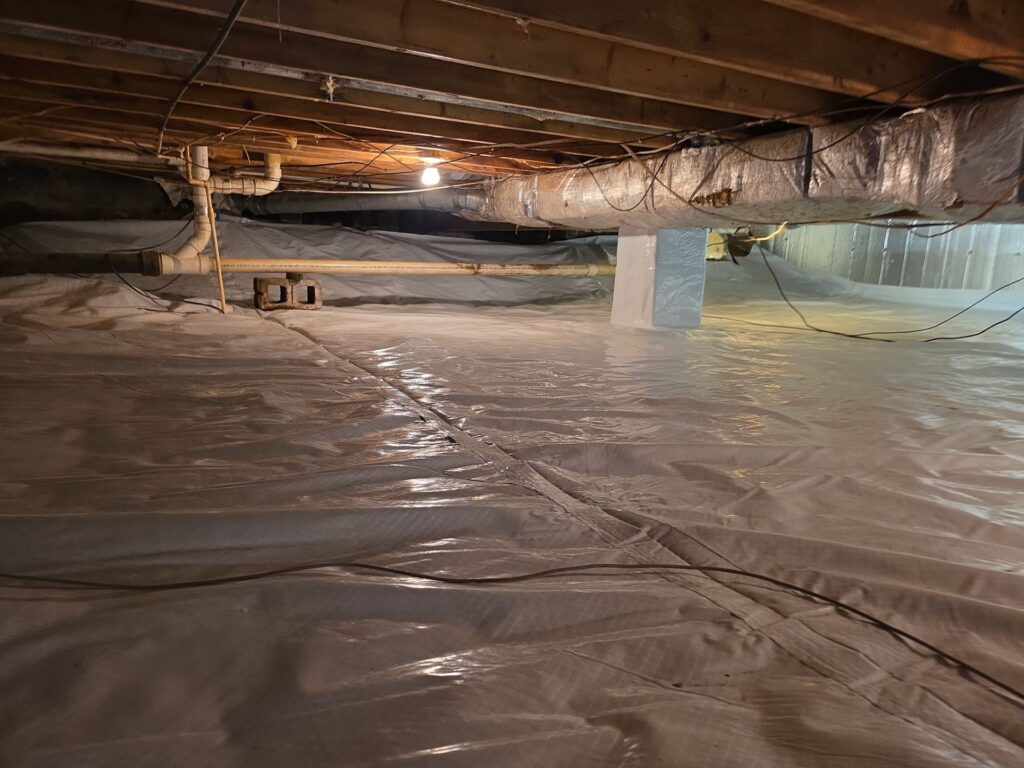
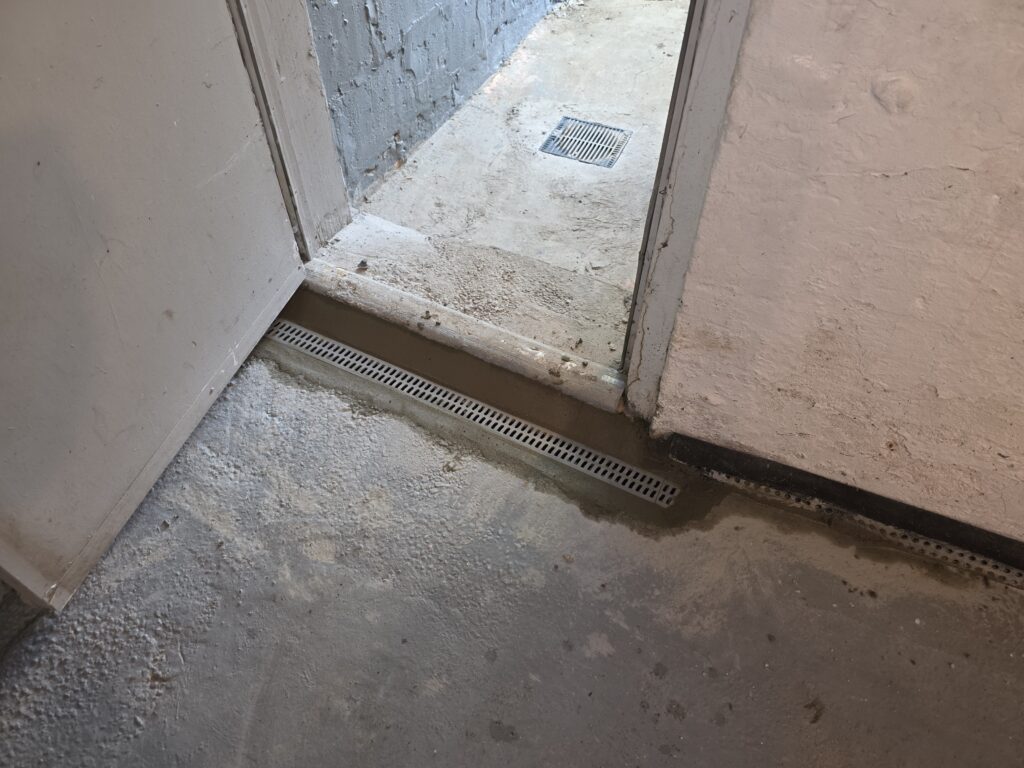
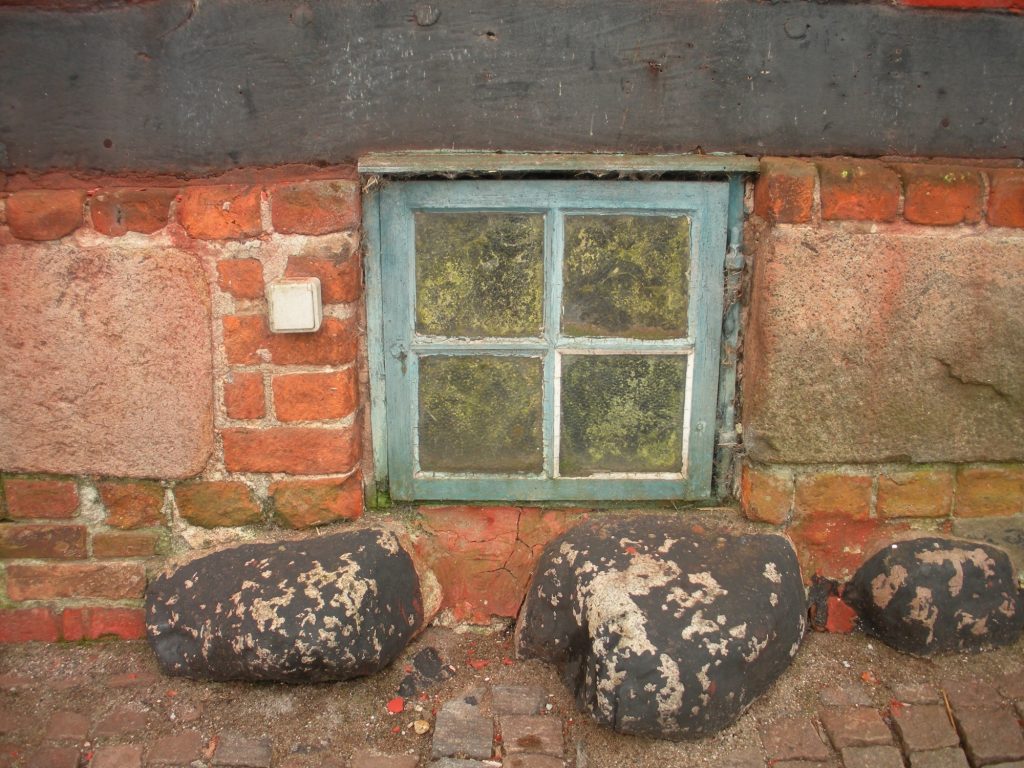
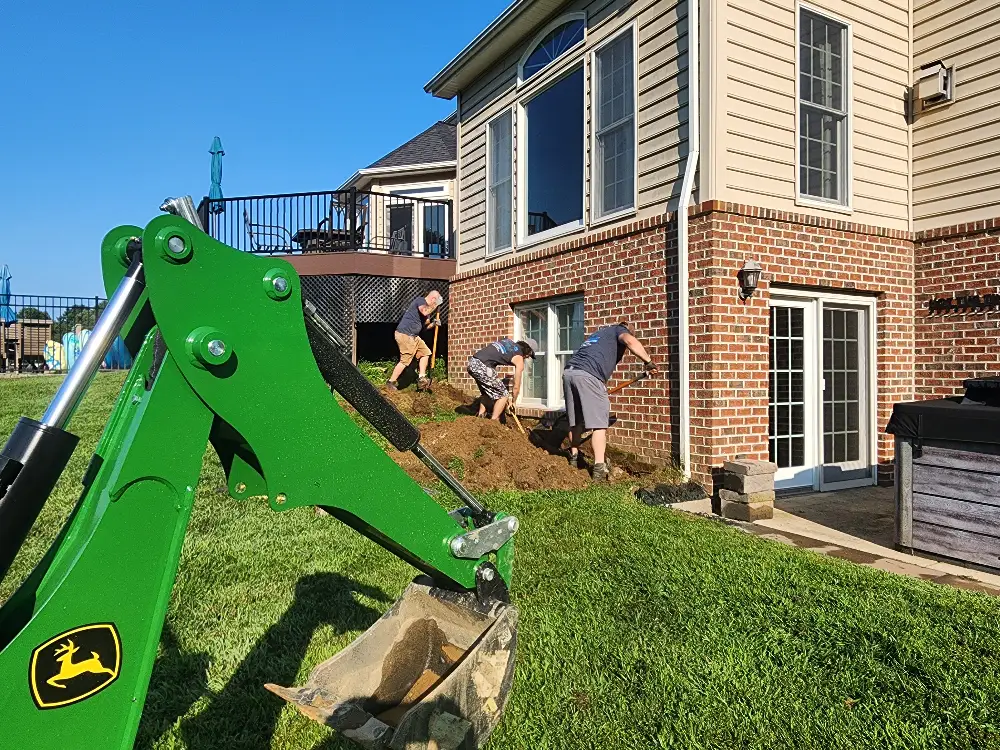
Basement waterproofing involves various techniques designed to prevent water infiltration and protect your home from moisture damage. Common methods include interior drainage systems, exterior waterproofing, and the application of sealants to foundation walls. Each technique has its unique benefits and is chosen based on the specific needs of the property.
For instance, interior drainage systems are effective for dealing with existing water issues, while exterior waterproofing provides a long-term solution by addressing the source of water intrusion. Homeowners must assess their situation and consult with experts to determine the best approach for their basement waterproofing needs.
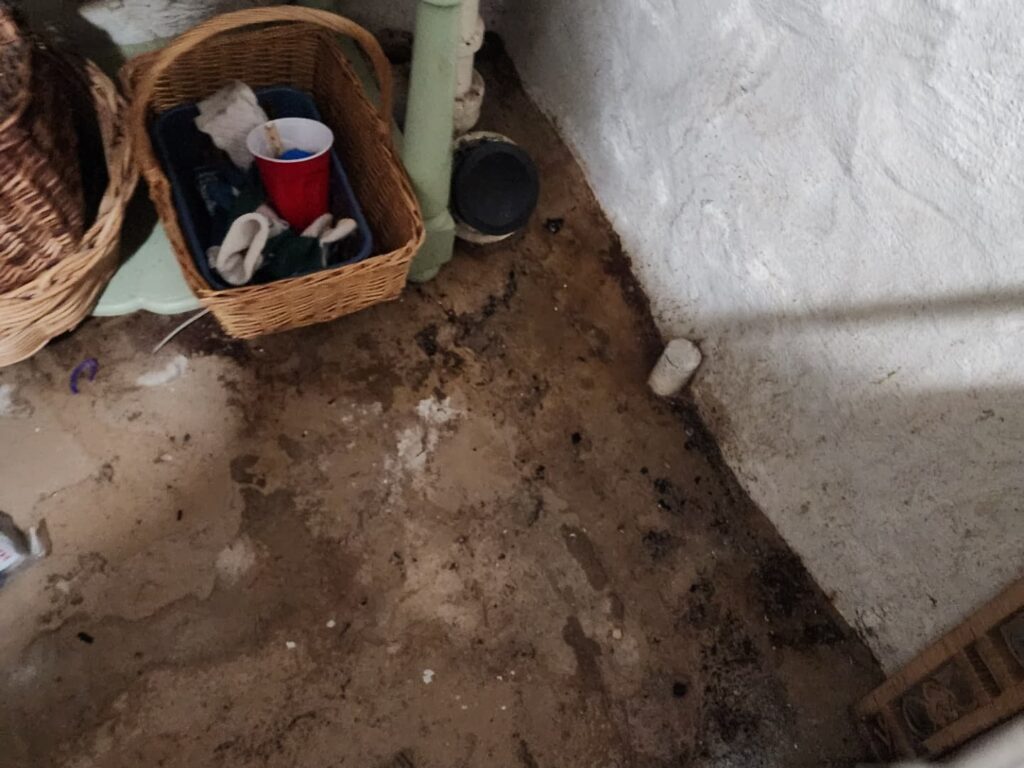
Recognizing the signs that your basement requires waterproofing is crucial for maintaining a healthy home environment. Common indicators include visible water stains on walls, musty odors, and increased humidity levels. These symptoms often suggest that water is entering the basement, which can lead to mold growth and structural damage if left unaddressed.
Additionally, homeowners should be vigilant for peeling paint, cracks in the foundation, and puddles forming in the basement after heavy rainfall. Early detection and intervention can save homeowners significant repair costs and protect their property’s value.
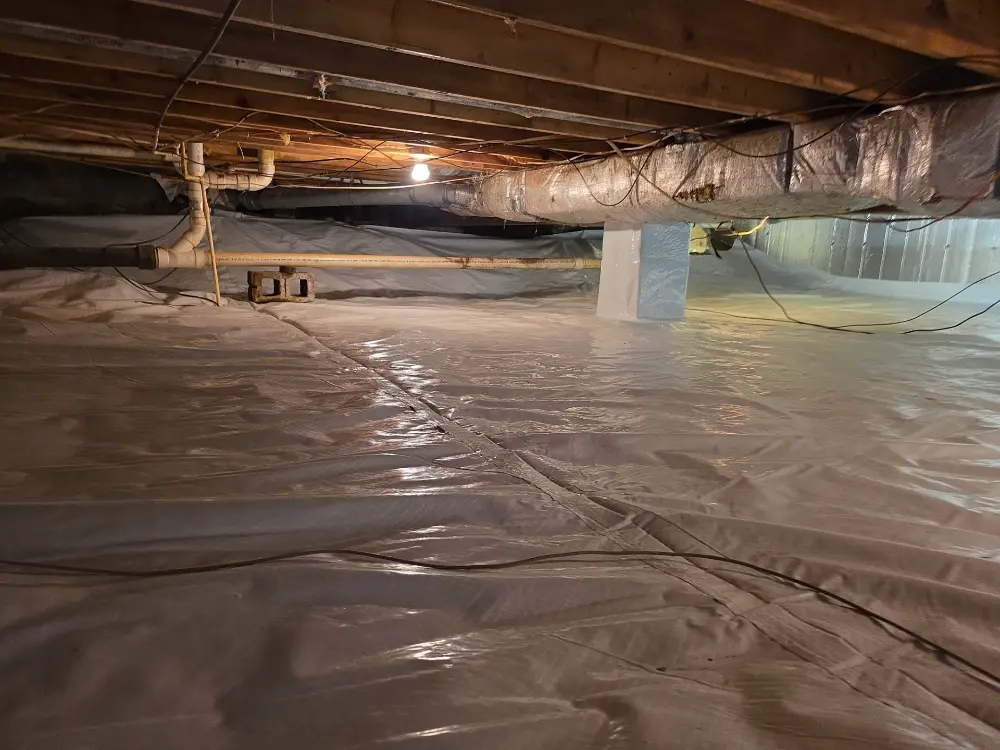
Basement encapsulation is a proactive approach to improving indoor air quality and energy efficiency. By sealing off the basement from outside elements, homeowners can create a controlled environment that reduces humidity and prevents mold growth. This method is particularly beneficial for homes with crawlspaces that are prone to moisture issues.
Moreover, encapsulation can lead to lower utility bills, as it helps maintain consistent temperatures throughout the home. Homeowners who invest in encapsulation often report enhanced comfort and a healthier living space, making it a worthwhile consideration for those looking to improve their home’s overall performance.
Selecting a qualified waterproofing contractor is essential for ensuring effective basement protection. Homeowners should look for contractors with proven experience, positive customer reviews, and appropriate licensing and insurance. A reputable contractor will assess the specific conditions of your basement and recommend tailored solutions.
It's also beneficial to obtain multiple quotes and ask for references from past clients. A trustworthy contractor will provide a detailed explanation of the proposed work and its associated costs, helping homeowners make informed decisions about their basement waterproofing projects.