Ever wondered why your utility bills are sky-high? You’re likely losing energy due to poor insulation in your home. Encapsulation could be your ticket to significant energy savings. By creating an airtight seal, it minimizes air leaks and moisture-related issues, reducing the energy needed for heating and cooling. You’ll see savings of 15-40% on your utility bills and it’s also a great way to enhance your indoor air quality. Intrigued? Let’s explore more about the benefits and process of encapsulation to help you make an informed decision.
Key Takeaways
- Encapsulation acts as a protective barrier, reducing energy needed for heating and cooling, thus lowering utility bills.
- By sealing entry points, encapsulation reduces air leakage and maintains temperature consistency, further reducing energy consumption.
- Encapsulation prevents moisture intrusion, improving indoor air quality and potentially reducing health-related expenditures.
- Initial encapsulation costs can range from $1,500 to $15,000, but long-term energy savings often offset these costs within 5-10 years.
- Besides financial savings, encapsulation also contributes to environmental preservation by reducing energy consumption.
Understanding the Concept of Encapsulation
Diving into the world of energy savings, understanding the concept of encapsulation becomes crucial. You see, encapsulation is a method that seals your home from external elements, acting as a protective barrier. It’s like wrapping your home in a protective blanket, warding off moisture, pests, and unwanted temperature swings.
Imagine your home as a living, breathing entity. Without proper protection, it’s susceptible to the elements, which can lead to higher energy bills and less comfort. Encapsulation provides that protective layer, reducing the amount of energy needed to heat or cool your home.
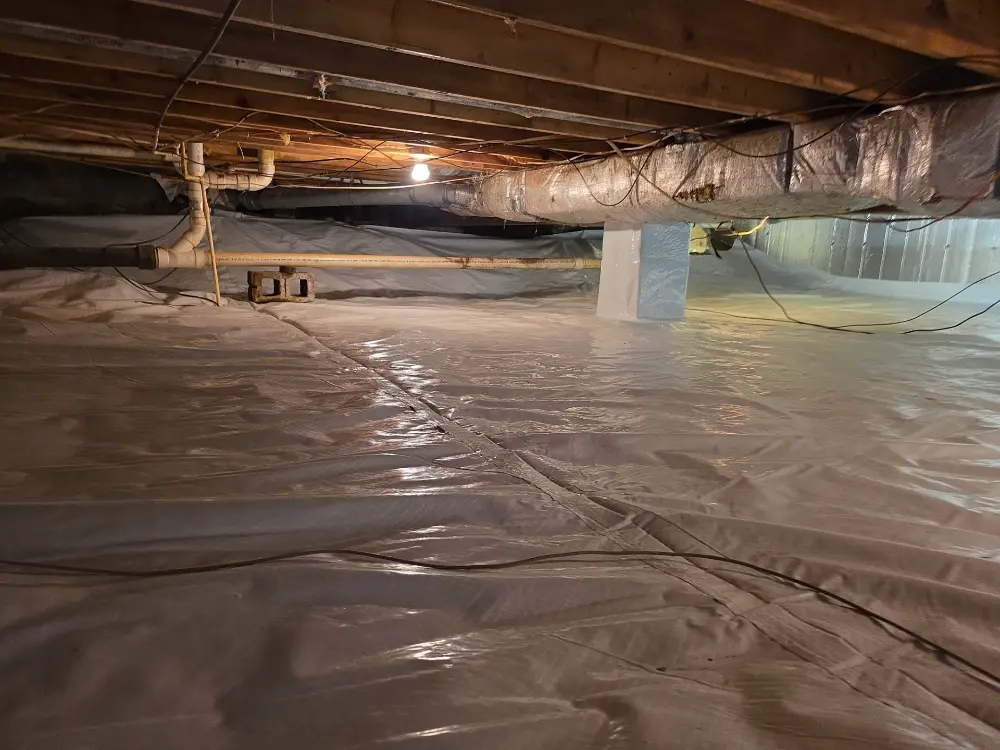
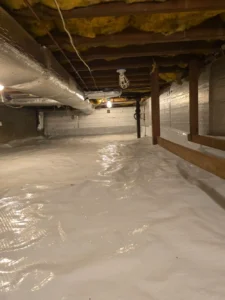
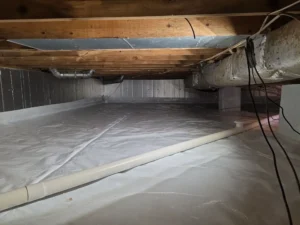
But how does encapsulation work? Fundamentally, it involves sealing all possible entry points, like crawl spaces or basements, with a heavy-duty, special plastic.
The result? Less air leakage, reduced humidity levels, and improved indoor air quality. Not only does this lead to lower energy costs, but it can also increase the longevity of your home’s structure.
The Process of Encapsulating Your Home
Venturing into the process of encapsulating your home might seem challenging, but it’s actually quite straightforward. Fundamentally, encapsulation is all about creating a barrier between your home and the outdoor environment. It’s a protective shell that keeps out moisture, pests, and unwanted air flows.
To begin, you’ll need to identify areas in your home that are prone to air leaks and moisture intrusion. These are typically found around windows, doors, and in your basement or crawl spaces. Once you’ve identified these areas, it’s time to seal them up. This can be done using various materials such as foam insulation, weather-stripping, or caulking.
Remember, the goal is to make these areas as airtight as possible.
Next, you should focus on ventilating your home properly. Proper ventilation guarantees that any moisture that does get into your home can easily escape, preventing the build-up of mold and mildew.
Install exhaust fans in high-moisture areas like your kitchen and bathroom, and consider a dehumidifier for your basement or crawl spaces.
Energy Savings From Encapsulation Explained
You’ve learned about the process of encapsulating your home, but you may wonder about the potential energy savings.
Understanding the benefits of encapsulation is essential to see its full potential.
Let’s explore how encapsulation can be a key to efficiency in your home, saving you energy and money in the long run.
Understanding Encapsulation Benefits
Countless homeowners are discovering the advantages of encapsulation, particularly when it comes to energy savings. But you might be wondering, “What exactly are these benefits?” Well, let’s break it down.
Firstly, encapsulation helps regulate your home’s temperature. By creating a barrier between your house and the outside environment, it keeps the cold air out in the winter and the warm air out in the summer. This means you’re not constantly running your heating or cooling systems, saving you a hefty amount on your utility bills.
Secondly, encapsulation reduces the risk of moisture-related issues. It prevents dampness, mold, and mildew, all of which can cause health problems and structural damage. So, you’re not just saving on energy costs; you’re also avoiding potential repair costs.
Lastly, encapsulation improves your home’s air quality. By sealing off your home, it prevents pollutants and allergens from entering. This means you’re breathing cleaner, healthier air.
Encapsulation: Key to Efficiency
So, how does encapsulation lead to energy efficiency? Well, it’s all about creating a barrier. Encapsulation seals your home from the outside elements, reducing the amount of heat and cold air that can infiltrate. This lessens the load on your heating and cooling systems, saving energy.
You’re probably wondering, what’s the actual effect on your utility bills? Let’s break it down with a table:
| Action | Savings |
|---|---|
| Sealing drafts | 10-20% |
| Insulating walls and roof | 20-30% |
| Upgrading your HVAC system | 10-20% |
| Installing energy-efficient windows | 15-25% |
| Full home encapsulation | 20-40% |
As you can see, full home encapsulation potentially offers the biggest savings. It’s an all-encompassing solution, tackling all sources of energy waste. It’s not just about the money you’ll save on utilities, either. Encapsulation also improves indoor air quality and boosts your home’s value.
Real-Life Examples of Encapsulation Benefits
Harnessing the power of encapsulation, many industries have experienced substantial energy savings and efficiency improvements.
Consider the pharmaceutical industry, where encapsulation is used to more effectively deliver medication to specific parts of the body. This targeted approach reduces waste, leading to lower energy consumption and cost savings.
But encapsulation isn’t just for the pharmaceutical world. In the food industry, it’s utilized to extend shelf life and maintain the quality of products. By encapsulating ingredients, companies can better control moisture content, preventing spoilage and reducing the need for energy-intensive refrigeration.
Furthermore, encapsulation has found its way into the construction industry. By encapsulating insulating materials within walls and roofs, buildings can better retain heat in winter and cool air in summer, thereby reducing the need for heating and cooling systems to work overtime.
This results in significant energy savings.
Anticipated Costs and ROI of Encapsulation
While the benefits of encapsulation are impressive, you might be wondering about the costs involved and the return on investment. Let’s break it down.
The initial cost of encapsulation can vary, mainly depending on the size and condition of your home’s crawl space or basement. A typical range is between $1,500 and $15,000. It’s a hefty price tag, but don’t be too alarmed.
Remember, encapsulation is a long-term investment, and the energy savings you’ll experience can offset the cost over time.
Here’s where the return on investment comes in. After encapsulation, you’ll see a reduction in your energy usage. This means lower utility bills every month. The average homeowner saves around 15-20% on their energy bill post-encapsulation.
Over time, these savings add up and can recoup your initial investment, usually within five to ten years.
Moreover, encapsulation can increase your home’s value. Prospective buyers often prefer homes with an encapsulated crawl space or basement, as it suggests lower energy costs and a healthier living environment.
Tips for Hiring a Professional Encapsulation Service
As you consider enlisting the help of a professional encapsulation service, it’s essential to know how to properly evaluate potential experts.
Paying attention to their pricing and service details can save you time, money, and stress down the line.
Here are some key tips to guide you in making an informed decision.
Evaluating Encapsulation Experts
Choosing the right encapsulation expert can be a gamechanger in your quest for energy savings. However, you might wonder how to separate the wheat from the chaff. Here’s what you need to know.
Firstly, it’s essential to check the expert’s credentials. A certified professional knows the ins and outs of encapsulation and can provide you with the best advice and service. Look for someone who’s certified by a reputable organization in the field.
Experience is another key factor. An expert with years of experience under their belt will be more likely to deliver quality work than someone who’s just starting out. They’ve seen it all and can handle any situation that comes their way.
Lastly, consider the expert’s reputation. Are they known for their professionalism and high-quality service? You can find this information by checking online reviews and testimonials.
To sum up, when evaluating encapsulation experts, consider:
- Their credentials
- Their experience
- Their reputation
Pricing and Service Details
After you’ve narrowed down your list of potential encapsulation experts, it’s time to get into the nitty-gritty details: pricing and service specifics.
Don’t shy away from asking questions. You’re investing in your home’s future, so it’s essential to know what you’re paying for.
Begin by getting a clear understanding of their pricing structure. Is it a flat fee, or will they charge by the square foot? Do they offer any discounts for larger projects?
Ask for a detailed quote to avoid any hidden costs later on.
Next, explore their service details. What does their encapsulation process entail? Will they handle cleanup and waste disposal?
How long will the project take, and what hours will they work? These factors can greatly impact your daily routine and overall satisfaction with their service.
Lastly, don’t forget to ask about their warranty policy. A reputable encapsulation service will stand behind their work.
If they don’t offer a warranty, consider it a red flag.
So, you see, encapsulation isn’t just about comfort, it’s a smart financial decision. You’re not only improving your home’s air quality but also lowering your utility bills by 15-40%. Plus, you’re extending your home’s lifespan. While it may seem pricey upfront, the energy savings will offset the initial costs. So, when you’re ready to take the leap, hire a pro to get the job done right. Remember, encapsulation is an investment in your home and your wallet.