Frequently Asked Questions
What services do you offer for yard grading?
The services we offer for yard grading include evaluating your property's slope, regrading the land to ensure proper drainage, and installing necessary features to direct water away from your foundation, protecting your home from potential water damage.
How can buried downspouts help with water drainage?
Buried downspouts significantly enhance water drainage by directing rainwater away from your foundation, reducing the risk of flooding and water damage. This effective system helps maintain a dry and stable yard, protecting your home’s structural integrity.
What are the benefits of proper yard grading?
The benefits of proper yard grading include effective water drainage away from your home's foundation, reducing the risk of water damage and mold growth. It also enhances the overall landscape aesthetics and promotes healthier soil and plant growth.
What techniques are used in yard grading?
The techniques used in yard grading include slope adjustment, soil compaction, and the installation of drainage systems. These methods ensure proper water flow away from the foundation, preventing water damage and promoting effective drainage.
How do buried downspouts prevent flooding?
Buried downspouts prevent flooding by directing rainwater away from the foundation of your home. This reduces the risk of water pooling around the base, which can lead to foundation damage and flooding in your basement.
What materials are best for yard grading?
The best materials for yard grading include topsoil, gravel, and sand. These materials help create proper slopes for effective drainage, preventing water accumulation and protecting your foundation from potential water damage.
How does yard grading protect foundations?
Yard grading protects foundations by directing water away from the home, preventing pooling and potential water damage. Proper grading ensures that rainwater flows toward drainage systems, safeguarding the integrity of the foundation and reducing the risk of costly repairs.
What is the cost of yard grading services?
The cost of yard grading services varies based on factors such as the size of the area, soil type, and project complexity. For an accurate estimate, it's best to request a quote tailored to your specific needs.
How often should yard grading be done?
Yard grading should be done every few years or as needed, particularly after heavy rainfall or landscaping changes, to ensure proper drainage and protect your home's foundation from water damage.
What signs indicate poor yard grading?
Signs of poor yard grading include pooling water in low areas, soil erosion, and water seeping into your basement or foundation. Additionally, uneven surfaces and visible cracks in walkways or driveways may also indicate inadequate drainage.
Can buried downspouts be installed in winter?
Buried downspouts can be installed in winter. However, ground conditions such as frost and snow may affect the installation process, so it's essential to consult with a professional to ensure proper drainage and effectiveness.
What is the process for yard grading?
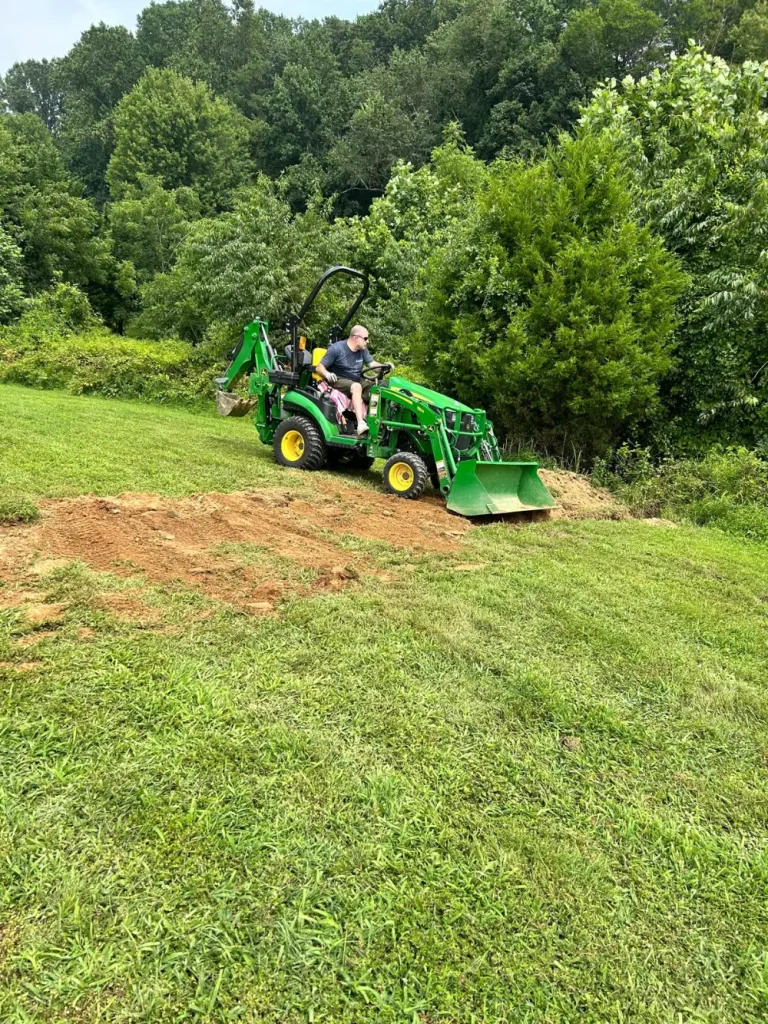
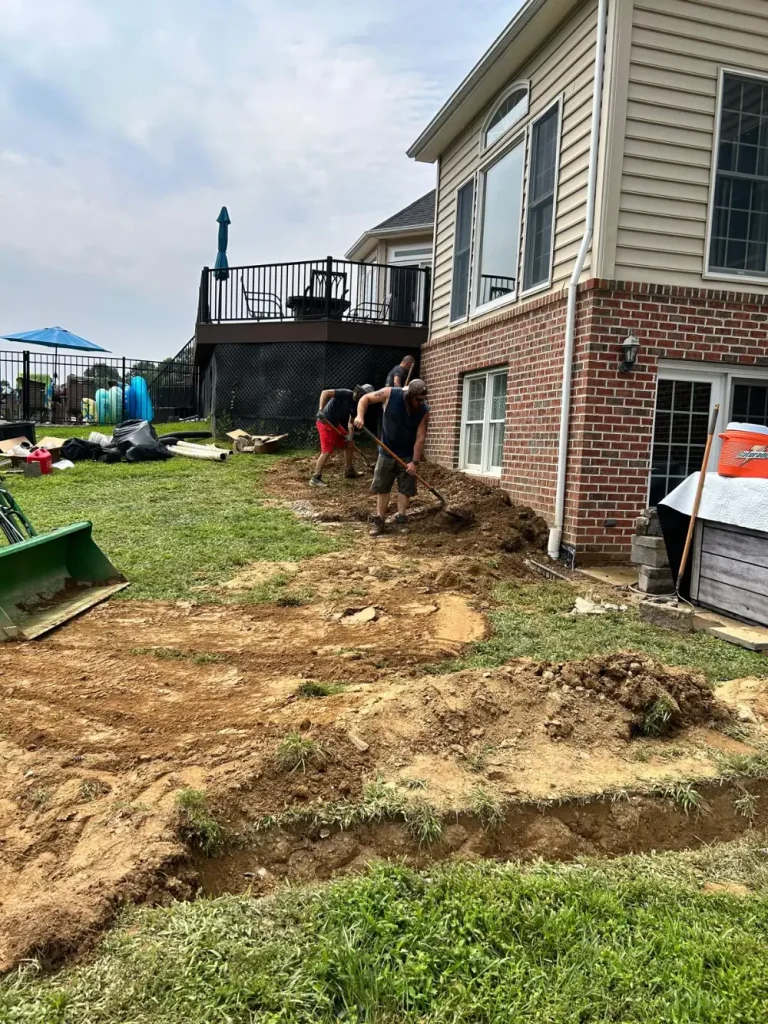
The process for yard grading involves assessing the landscape, determining the optimal slope for water drainage, and then excavating and redistributing soil to create a graded surface that directs water away from your home's foundation.
How do I maintain my yard grading?
Maintaining your yard grading involves regularly inspecting the slope to ensure it directs water away from your foundation, clearing any debris that may obstruct drainage, and replenishing soil as needed to prevent settling.
What are common mistakes in yard grading?
Common mistakes in yard grading include improper slope direction, inadequate drainage away from the foundation, and neglecting to account for soil compaction. These errors can lead to water pooling and potential damage to your home's foundation.
How do buried downspouts work effectively?
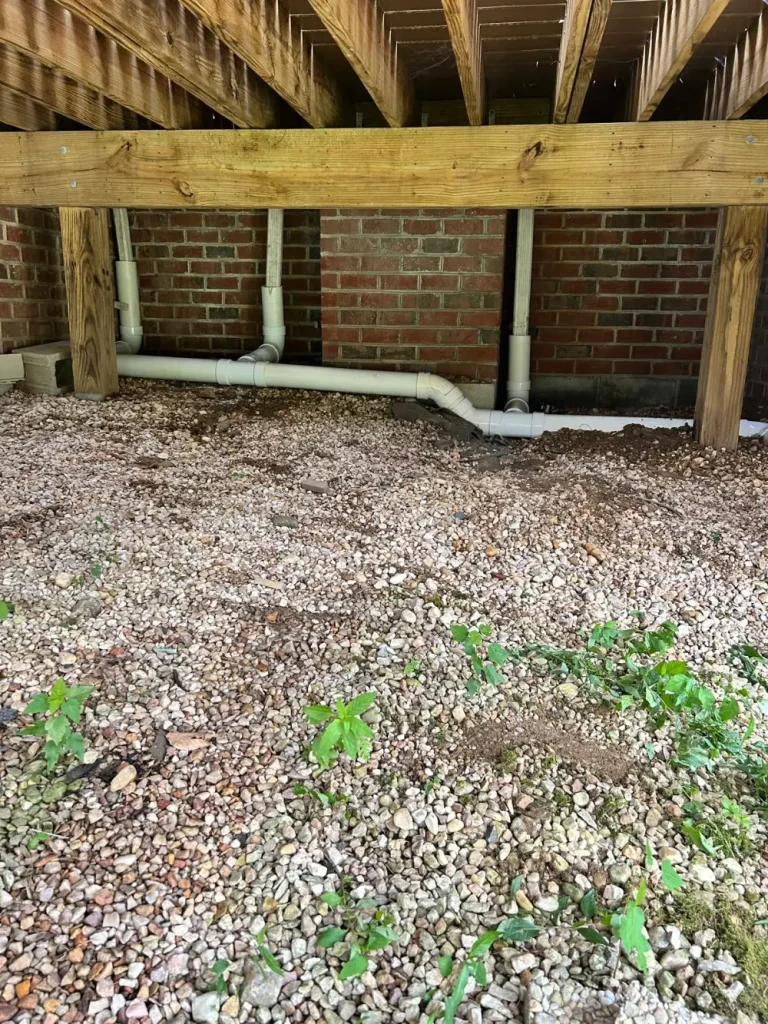
Buried downspouts effectively manage water drainage by directing rainwater away from the foundation through underground pipes. This prevents pooling and reduces the risk of water damage, ensuring a dry and stable environment for your home.
What is the lifespan of buried downspouts?
The lifespan of buried downspouts typically ranges from 20 to 30 years, depending on the materials used and the maintenance provided. Regular inspections can help ensure their longevity and effectiveness in managing drainage.
How can I assess my yards drainage?
Assessing your yard's drainage involves observing how water flows during and after rainstorms. Check for pooling water, observe the slope of your yard, and ensure downspouts direct water away from the foundation to identify potential drainage issues.
What are the advantages of professional grading?
The advantages of professional grading include improved water drainage, reduced erosion, and enhanced foundation protection. By ensuring proper land slope and contour, professional grading effectively directs water away from your home, preventing potential water damage and costly repairs.
How does soil type affect yard grading?
The impact of soil type on yard grading is significant. Different soil types, such as clay, sand, or loam, influence drainage patterns and stability, affecting how effectively water is managed and how well the grading can protect your foundation.
What permits are needed for yard grading?
Permits required for yard grading typically depend on local regulations in Maryland and Virginia. Homeowners should check with their local government or zoning office to determine if a permit is necessary for their specific project.
How can I improve my yards drainage?
Improving your yard's drainage involves grading the landscape to direct water away from your foundation and installing buried downspouts to manage runoff effectively. These solutions help prevent water accumulation and protect your home from potential damage.
What is the best slope for yard grading?
The best slope for yard grading is typically 2% to 5%, which means a drop of 2 to 5 inches for every 10 feet of distance. This slope effectively directs water away from your foundation, preventing potential water damage.
How do I choose a grading contractor?
Choosing a grading contractor involves assessing their experience, checking references, and ensuring they are licensed and insured. Additionally, review their portfolio and obtain multiple quotes to compare services and pricing.
What are the risks of improper grading?
The risks of improper grading include water pooling around your foundation, leading to potential structural damage, mold growth, and increased repair costs. Proper grading is essential for effective drainage and protecting your home from water-related issues.
How can I prevent erosion after grading?
Preventing erosion after grading involves implementing effective drainage solutions, such as installing buried downspouts, and planting vegetation to stabilize the soil. These measures help maintain the integrity of your graded yard and protect against water runoff.
What tools are needed for yard grading?
The tools needed for yard grading include a shovel, rake, wheelbarrow, and a landscape level. Additionally, a compactor or roller may be used for compacting soil to ensure proper drainage and stability.
How do buried downspouts connect to drains?
Buried downspouts connect to drains by routing water from the gutters through underground pipes that lead directly to a drainage system, ensuring efficient water management and preventing potential foundation damage.
What are the environmental impacts of grading?
The environmental impacts of grading include potential soil erosion, disruption of natural drainage patterns, and habitat alteration. Proper grading practices can mitigate these effects by promoting effective water management and preserving local ecosystems.
How can I prepare my yard for grading?
Preparing your yard for grading involves clearing the area of debris, plants, and obstacles, ensuring proper access for equipment, and marking any underground utilities. This will facilitate efficient grading and optimal drainage solutions.
What are the long-term benefits of grading?
The long-term benefits of grading include improved water drainage, reduced risk of foundation damage, and enhanced landscape stability. Proper grading directs water away from your home, ensuring a dry and secure foundation for years to come.