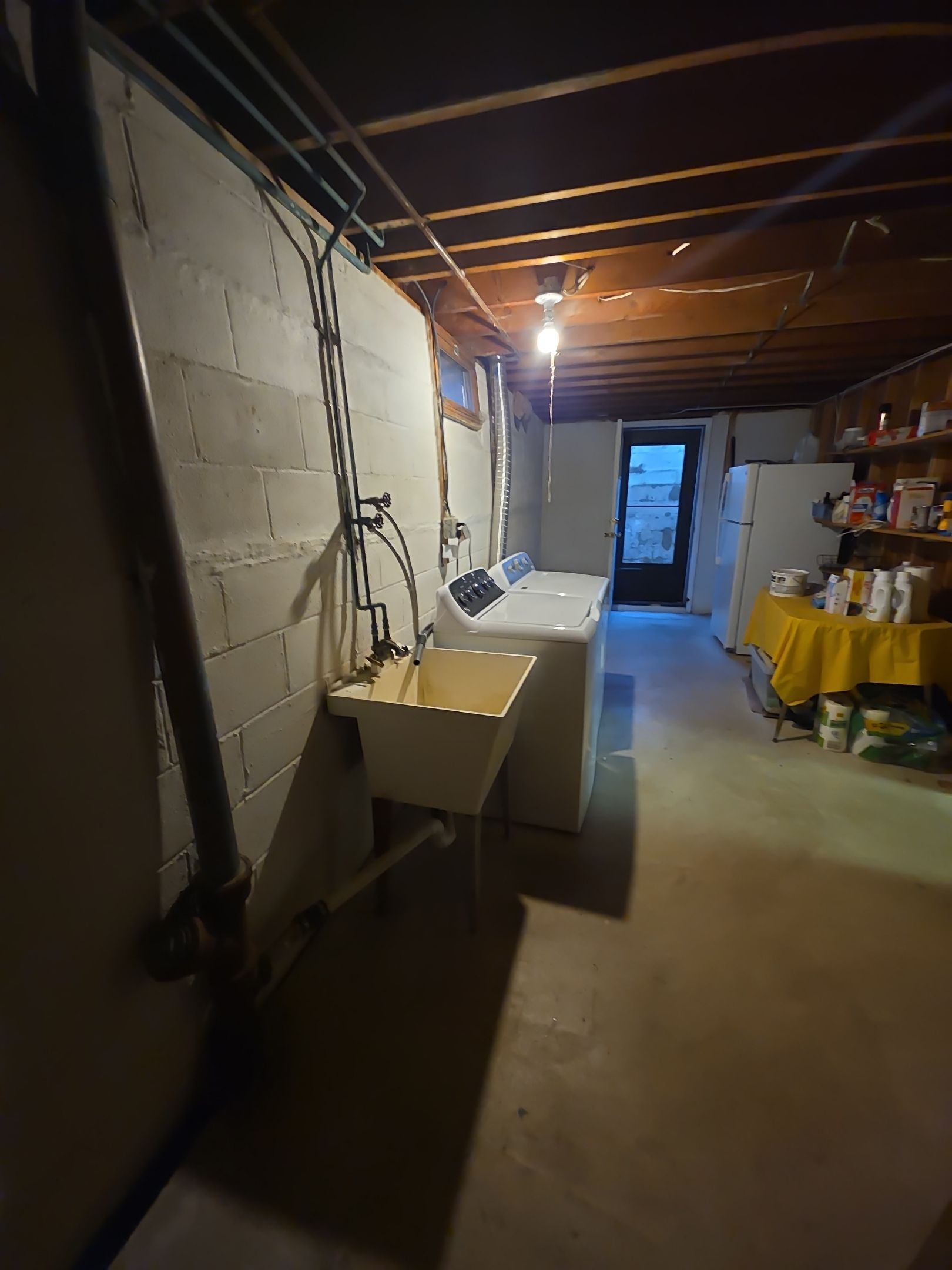
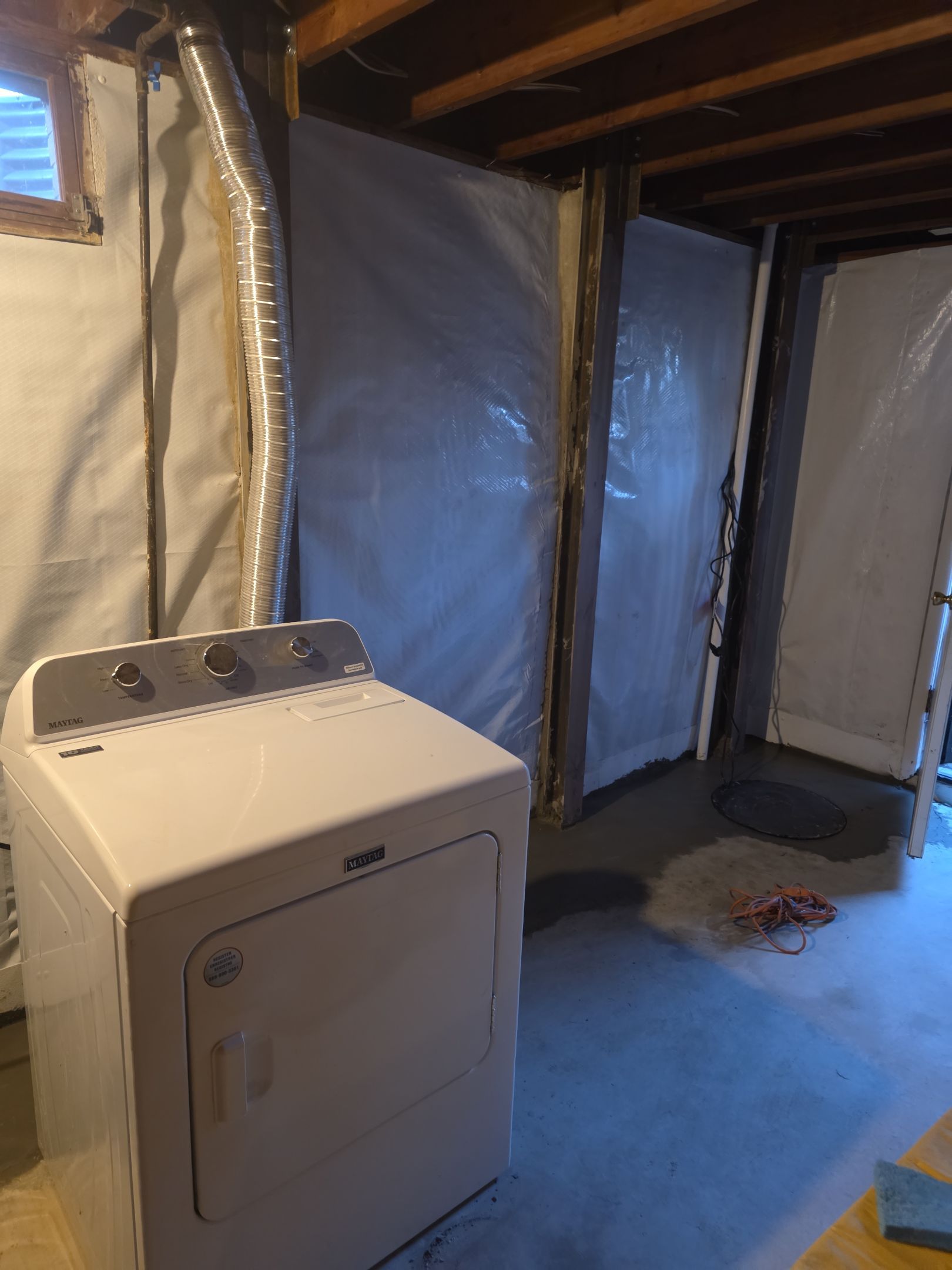
Understanding Basement Wall Cracks and Bowing
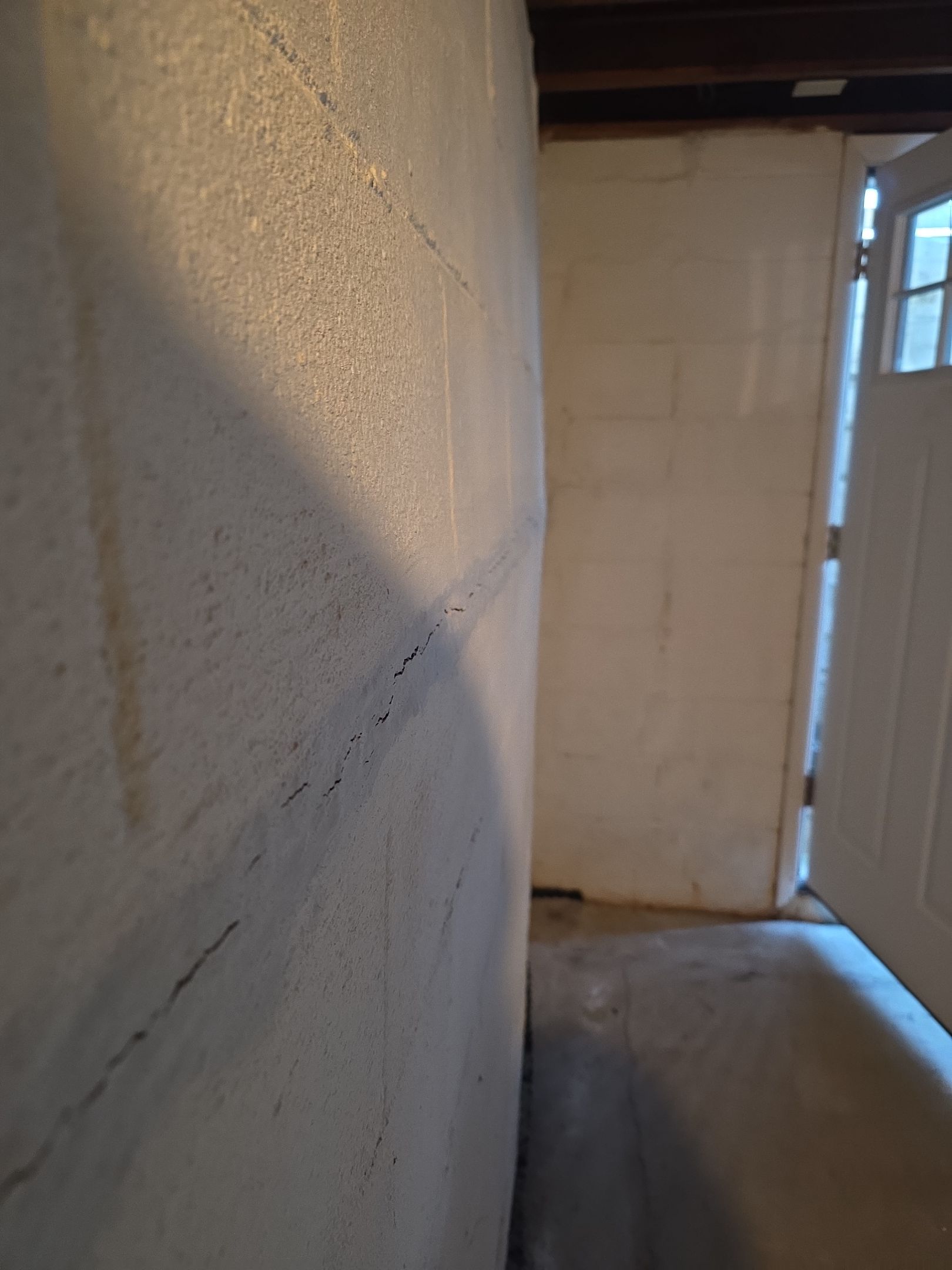
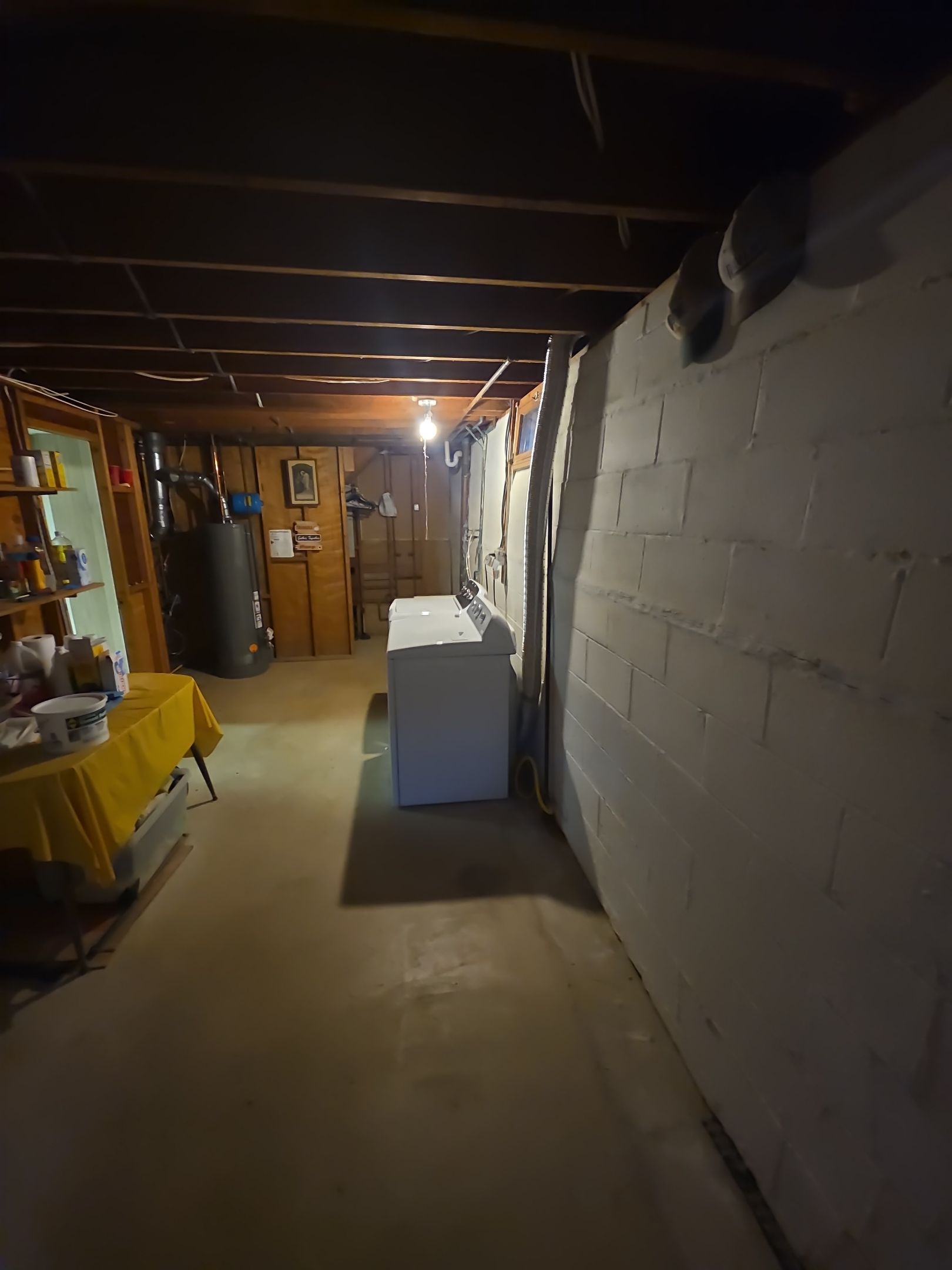
Horizontal cracks and inward bowing in basement block walls are critical indicators of significant structural stress. This often stems from external hydrostatic pressure, where saturated soil exerts immense force against the foundation. Ignoring these signs can lead to more severe structural damage, compromising the integrity of the entire home.
The pressure exerted by waterlogged soil can be substantial, exceeding the tensile strength of concrete blocks. This force can cause the wall to gradually lean inward, creating visible cracks that worsen over time. Recognizing these symptoms early is crucial for preventing costly repairs and ensuring the safety of your home.
Why Hydrostatic Pressure Affects Basements
Hydrostatic pressure is the force exerted by a fluid at rest due to gravity. In the context of basements, this means the weight of water in the soil surrounding your foundation pushes against the basement walls and floor. When the soil becomes saturated, such as after heavy rain or snowmelt, the water content increases, leading to higher hydrostatic pressure.
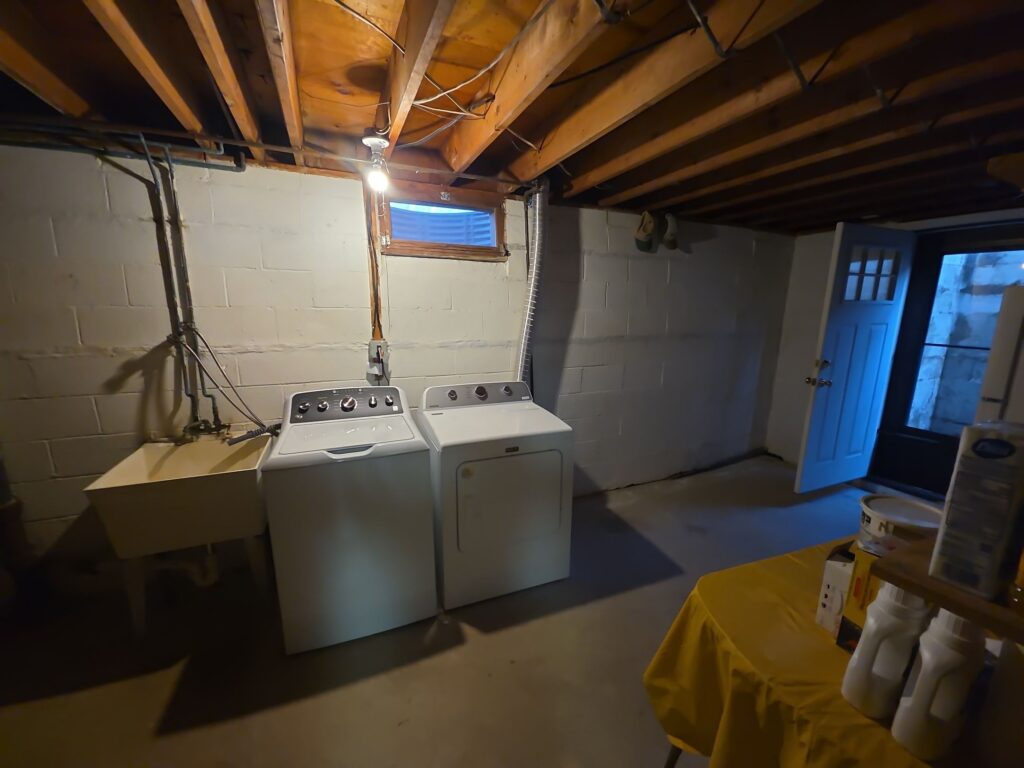
This constant pressure can force water through even small imperfections in the foundation, leading to leaks and moisture problems. Over time, it can also weaken the structural integrity of the foundation walls, causing them to bow or crack, as seen in the Parkville case study. Effective waterproofing systems are designed to manage and relieve this pressure.
The Importance of Steel I-Beam Wall Supports
Steel I-beam wall supports are a robust solution for stabilizing bowing or leaning basement walls. These heavy-duty steel beams are installed vertically along the interior of the damaged wall, anchoring into the basement floor and ceiling joists. They provide a strong, rigid framework that counteracts the external forces pushing on the foundation.
By installing I-beams, Armored Basement Waterproofing effectively transfers the load from the compromised wall section to the beams, preventing further inward movement. This method not only stabilizes the existing damage but also reinforces the wall against future pressure, ensuring long-term structural integrity and peace of mind for homeowners.
How Interior Drain Tile Systems Work
An interior drain tile system, also known as a weeping tile or French drain, is a crucial component of basement waterproofing. It involves installing a perforated pipe around the perimeter of the basement floor, typically within a trench. This pipe collects water that seeps into the basement, either through the cove joint (where the wall meets the floor) or through the floor itself.
The collected water is then directed to a sump pit, where a sump pump activates to discharge the water away from the home's foundation. This system effectively relieves hydrostatic pressure by intercepting water before it can build up against the foundation walls and floor, ensuring a dry and healthy basement environment.