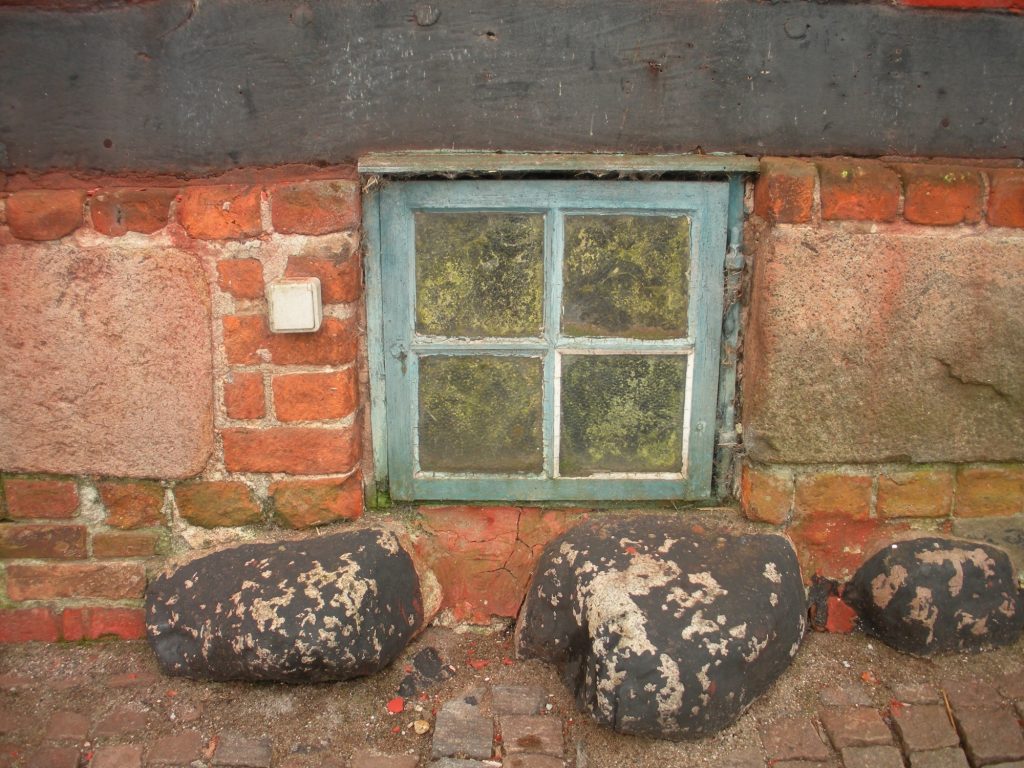
Ever noticed water trickling into your basement through your window wells? Don’t panic. This is a common issue that many homeowners face and, luckily, it’s not as intimidating as you might think to fix. Looking at the cause of the leakage, whether it’s poor drainage, cracks in the well, or improper installation, is the first step in addressing this problem. By the end of our discussion, you’ll be armed with practical methods to not only rectify the current issue but also to prevent future seepages. Curious to know how? Just follow along.
Key Takeaways
- Identify the source of the leak in your window well, checking for cracks, improper grading, or blocked drains.
- Apply waterproof sealant to cracks or replace damaged windows and window wells as necessary.
- Install an effective drainage system, such as window well drains or French drains, to redirect water away from the foundation.
- Check and correct home’s grading to ensure rainwater is directed away from the foundation, preventing future seepage.
- As a preventive measure, install clear window well covers and regularly maintain them for cleanliness and good condition.
Understanding Window Well Leakage
 Water seeping through your window wells is a common homeowner issue that can cause significant damage if not addressed promptly.
It’s not just an annoying problem; it’s a ticking time bomb that can wreak havoc on your property.
You’re probably wondering why this is happening. The primary reason is the accumulation of water around your home’s foundation, especially after a heavy downpour.
This water pressure forces the water to find the path of least resistance, which unfortunately, is often your window wells.
Another reason can be the improper or inadequate drainage system in your window wells. If the drains are blocked or not installed correctly, water can pool and eventually seep into your basement.
Now, you’re not entirely helpless. In fact, there are ways to stop this from happening.
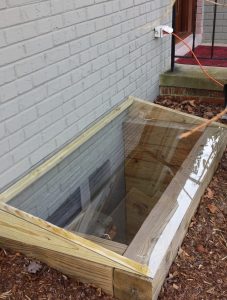
You can install window well covers to prevent water from entering the wells. You can also improve the grading around your home to guarantee water flows away from the foundation.
However, these are just quick fixes. For a more lasting solution, you might need to consult a professional.
Investigating the Source of Seepage
Before you can effectively tackle the issue, it is crucial to investigate the source of the seepage. Start by examining the window well itself. Is there visible cracking or physical damage? If so, the water may be getting in through these gaps. If the well appears intact, the problem may lie in the drainage system. Is it clogged or insufficient for the volume of water it needs to handle?
Another common source of seepage is poor soil grading around the foundation. The ground should slope away from your home to prevent water pooling and seeping into the window wells.
Take note of when you notice the leakage. Is it during or after heavy rainfall? This could indicate an overwhelmed drainage system or inadequate waterproofing. Or does the leakage occur seemingly randomly? This might point to a more complex issue such as a compromised water line.
| Source of Seepage | Signs | Emotional Impact |
|---|---|---|
| Physical damage | Visible cracks, gaps | Frustration, worry |
| Drainage system | Water not draining, flooding during rain | Overwhelm, stress |
| Soil grading | Water pooling near foundation | Concern, anxiety |
Importance of Proper Window Well Installation
You can’t underestimate the value of correctly installing your window wells.
It’s a key step in avoiding those pesky water seepage issues.
Correct Installation Procedures
Installing your window well correctly is essential to prevent water seepage. If installed improperly, you’re likely to face issues such as water leakage, which can lead to structural damage and mold growth.
So, let’s explore the correct procedures.
Firstly, you need to verify the window well is the right size. It should extend 8 to 10 inches above the ground level and 3 to 4 feet below your window. Don’t underestimate the importance of this step as it directly affects the well’s ability to drain water away.
Next, dig a hole at the selected location. The hole should be wide enough and deep enough to accommodate the well. Once you’ve dug the hole, place the window well against your basement window. Make sure it’s level and firmly attached to the foundation.
Preventing Window Well Issues
Preventing water seepage issues starts with proper window well installation. It’s essential you understand its importance. When you install window wells correctly, you’re taking a significant step towards preventing various issues down the line, including water infiltration.
Firstly, verify the window well is securely fastened to the foundation wall. It’s not just about attaching it, but making sure it’s sturdy enough to withstand heavy rainfall or snow melt. If it’s not secure, water can easily seep through gaps and create a mess indoors.
Next, consider the height of the window well. It should extend at least 6-8 inches above the ground level. Why? Well, it prevents surface water from simply flowing into the well.
Gravel is another important component. Fill your window wells with a layer of small stones or gravel. This aids in proper drainage and helps to prevent soil erosion within the well.
Lastly, don’t forget about window well covers. They can be a real lifesaver in preventing water buildup, especially during heavy rainstorms.
Benefits of Window Well Covers
Shielding your basement with window well covers offers an array of benefits. These covers aren’t just for show, they’re practical tools that provide vital protection against a number of potential issues.
Among the many advantages they offer, the most significant include:
- Water damage prevention: Without a proper cover, water can easily seep into your basement through the window wells. This can lead to extensive damage and costly repairs. With a well-fitted cover, you’re shielding your basement from potential flooding and dampness, keeping it dry and safe.
- Energy efficiency: You mightn’t realize it, but window well covers can also contribute to your home’s energy efficiency. They provide an extra layer of insulation, trapping heat in during the cold months and keeping your basement cool during the summer.
- Pest control: An uncovered window well is an open invitation for pests. Covers help prevent critters from making themselves at home in your basement.
While it’s clear that window well covers are a worthwhile investment, it’s important to verify they’re properly installed and maintained for maximum effectiveness.
They’re a simple solution with significant benefits, making them an essential addition to any home with a basement.
The Role of Home’s Grading
You mightn’t realize it, but your home’s grading plays an essential role in preventing water from seeping through your window wells.
A properly graded home can markedly impact drainage and keep water away from your foundation. If you’re experiencing issues, it’s likely time to reflect on correcting any improper grading around your property.
Understanding Home’s Grading
A properly graded home plays an essential role in preventing water seepage through window wells. Understanding your home’s grading is key to ensuring your home is well-protected against water damage.
Essentially, home grading refers to how the land slopes around your property. The objective is to have the land slope away from the house, leading the water away from your home’s foundation. A well-graded property will effectively channel rainwater and snowmelt, thereby minimizing the risk of water seepage through window wells and other potential points of entry.
To get a clearer picture, here’s what a well-graded home setup looks like:
- A gentle slope leading away from your house. You don’t want the land too steep as it may cause other issues, like soil erosion.
- The grading should extend all around your house, not just on one side.
- A minimum slope of 6 inches over 10 feet is typically recommended.
Grading’s Impact on Drainage
Home grading serves as your property’s unsung hero against water damage. It’s the slight slope of your landscape that directs water away from your foundation, preventing it from seeping into window wells or causing other problems.
Grading’s impact on drainage is significant. If grading is done well, rainwater and melted snow naturally flow away from your home. If it’s not, water tends to pool near your foundation, increasing the risk of leaks and water damage.
Now, you might be wondering how exactly grading works. Imagine it as an invisible force, gently pushing water in the right direction. When it rains, water hits your roof, then your gutters and downspouts guide it to the ground.
From there, the grade of your land takes over, directing the water away from your house and towards the street, a drain, or a slope.
A properly graded property is your first line of defense against water damage. But remember, it’s not just about having a slope. Grading needs to be done correctly – too steep or too shallow, and you’ll still face drainage problems.
But we’ll explore correcting improper grading in the next section.
Correcting Improper Grading
Correcting improper grading might seem like a challenging task, but it’s vital for protecting your home from water damage. Improper grading can lead to water pooling around your home’s foundation and seeping into your window wells. This can cause significant damage over time, including structural issues and mold growth.
Here’s how you can correct improper grading:
- Identify the problem areas: Look for areas where water tends to pool after a heavy rain. These are likely spots where the ground slopes towards your home, rather than away from it.
- Reshape the landscape: You’ll need to regrade these areas so that they slope away from your home. This might involve adding soil, removing soil, or both.
- Maintain your grading: Once you’ve corrected the grading, it’s important to maintain it. This includes regularly checking for signs of erosion and addressing any issues promptly.
It’s essential to get your grading right to prevent water from seeping into your window wells. If you’re uncomfortable doing this yourself, consider hiring a professional to guarantee it’s done correctly.
Effective Drainage Systems for Window Wells
Often, the key to stopping water from seeping through your window wells lies in an effective drainage system. You see, without proper drainage, rainwater or melting snow can pool around your windows, seeping through the cracks and causing potential damage.
But don’t worry, there’s a solution. You can install a window well drain. This is a pipe installed at the bottom of the well, leading water away from your home’s foundation. It’s often filled with gravel or crushed stone to prevent soil from clogging it up, allowing water to flow freely.
Another option is a dry well. It’s a hole dug in the ground, filled with gravel or rubble, where water can collect and slowly soak into the ground. It’s positioned away from your home to prevent water damage.
You might also consider a French drain. It’s a slightly sloped trench filled with gravel or a flexible pipe, designed to redirect water away from your home.
Before you decide, consult a professional to find the best solution for your situation. Remember, prevention is the best way to avoid costly repairs down the line.
Necessary Repairs for Window Well Leaks
Even if you’ve taken preventive measures, window well leaks can still occur, and that’s when timely repairs become essential.
You mustn’t ignore these leaks as they can lead to significant water damage to your property. So, let’s dive straight into what you need to do.
Firstly, inspect the window well. Identify the source of the leak. It could be a crack in the window, a faulty seal, or a problem with the well itself.
Once you’ve identified the problem, you can then determine the best course of action.
Here are some common solutions:
- Seal or Replace the Window: If the window is the problem, you might need to apply a waterproof sealant or even replace the entire window.
- Repair the Well: If the well is damaged, it might require repairs or replacement.
- Fix the Drain: If the drain is blocked or broken, you’ll need to repair or replace it.
Preventive Measures for Future Leaks
 While fixing a leak is crucial, preventing future window well leaks is even more important.
Let’s explore some preventive measures that’ll help you avoid future hassles.
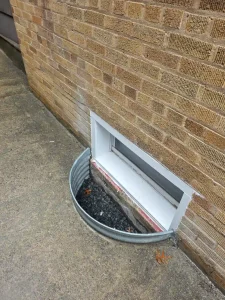
First off, always keep your window wells clean. Debris, leaves, and dirt can block drainage, causing water to pool and eventually leak into your basement.
Regularly check for any blockages and clean them out.
Next, inspect your window wells for damage. Cracks or holes can let in water, so seal them up as soon as you spot them.
You’ll also want to verify the window well liner’s in good shape. If it’s damaged or missing, replace it pronto.
Consider installing window well covers. They’re a great way to prevent debris accumulation and excess rainwater from entering the wells.
But remember, they need to be clear or translucent to let light into your basement.
Lastly, check your home’s grading. If the ground slopes towards your home, it can direct water into your window wells.
Re-grade your property if needed to guarantee water drains away from your home.
With these preventive measures in place, you’ll be well on the way to avoiding future window well leaks.
Hiring Professional Help for Window Wells
Your home’s window wells might seem like a minor concern until a problem arises. Suddenly, you’re dealing with water seeping into your basement, causing damage to your property.
While DIY methods can be helpful, sometimes it’s best to call in the professionals. Hiring professional help guarantees that the job is done right the first time.
Professionals possess the knowledge, experience, and tools necessary to effectively seal your window wells, preventing future leaks. They’ll assess the situation, identify the cause of the seepage, and recommend the best course of action.
While hiring professional help might seem costly, consider these points:
- Save time: Professionals can fix the issue efficiently, allowing you to focus on other important things.
- Prevent further damage: Quick and effective repairs can prevent further damage to your property, saving you money in the long run.
- Peace of mind: Knowing your home is protected against future leaks can give you peace of mind.
So, you’ve got water seeping through your window wells? Don’t panic! Start by inspecting for damage and checking your drainage. Remember, proper installation and grading are key. Consider covers for added protection and improve your drainage system if needed. Keep up with repairs and maintenance to prevent future leaks. And if it all sounds overwhelming, don’t hesitate to call in the pros. It’s all worth it to keep your basement dry and damage-free.